

ESA’s Euclid mission has discovered 31 extremely distant quasars, including two record-setting examples seen when the universe was about 670 million years old, giving astronomers a much larger early-quasar sample to study.
What a quasar is
A quasar is an extremely luminous galactic nucleus powered by matter falling toward a supermassive black hole.
The accreting material can radiate so intensely that the nucleus temporarily outshines the rest of its host galaxy.
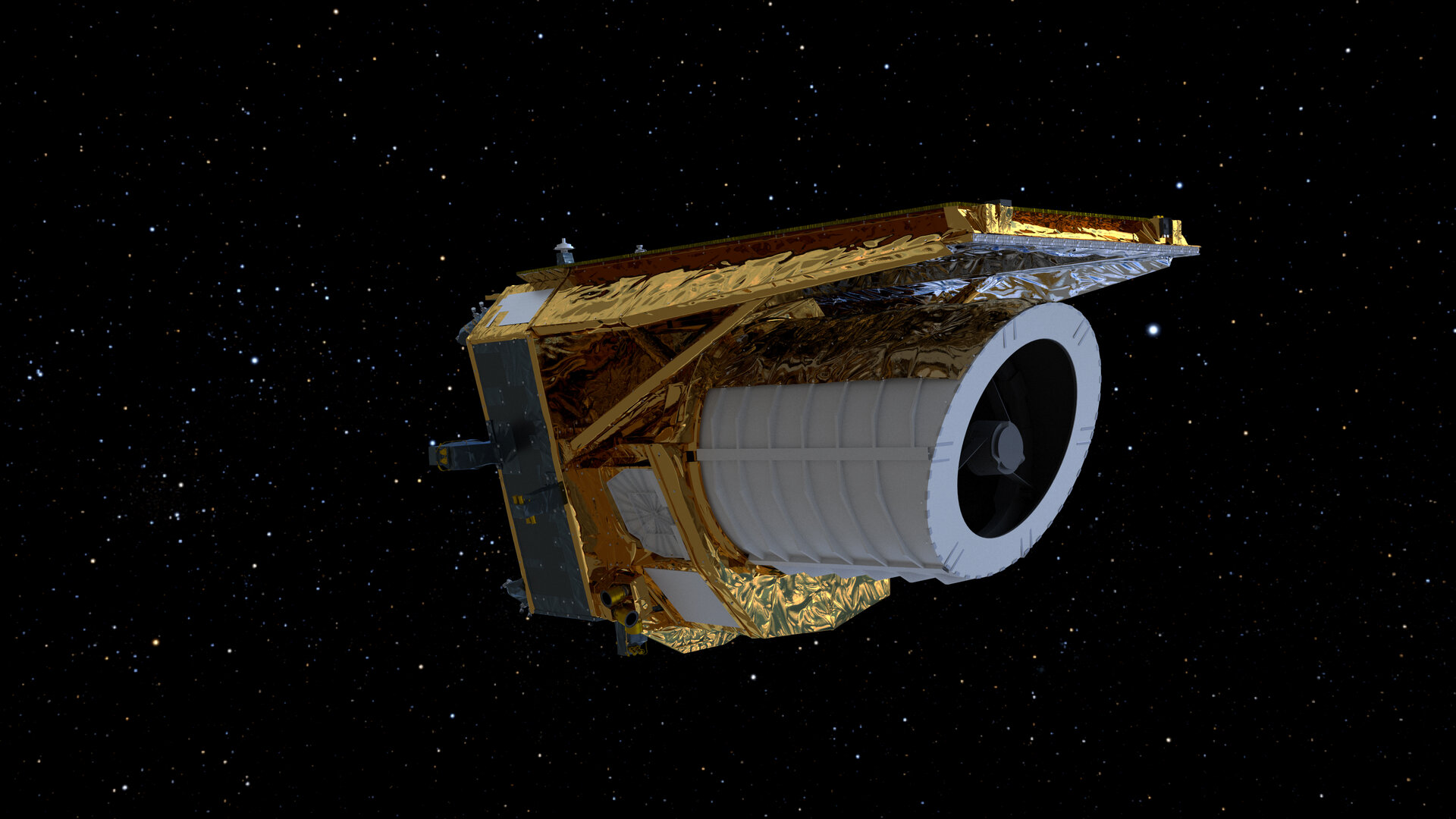
What Euclid found
Euclid identified 31 quasars from the early universe, greatly expanding the known sample at these extreme distances.
Twelve of the new objects have redshifts of seven or higher, placing them within roughly the first 770 million years after the Big Bang.
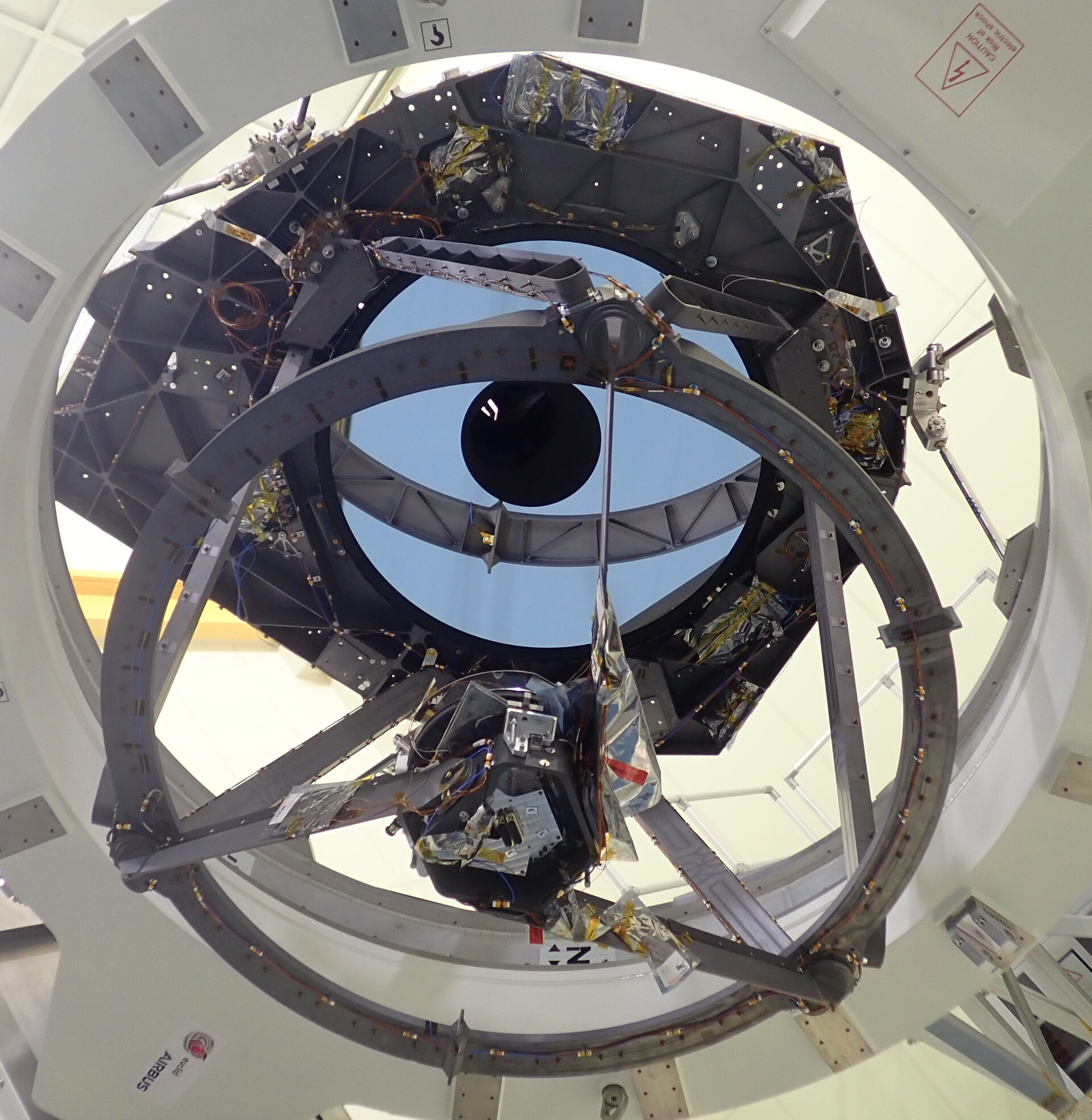
The two record-setting quasars
The most distant object in the sample has a redshift of 7.77, while the second is at 7.69.
ESA reports that both were shining when the universe was about 670 million years old, only around five percent of its present age.
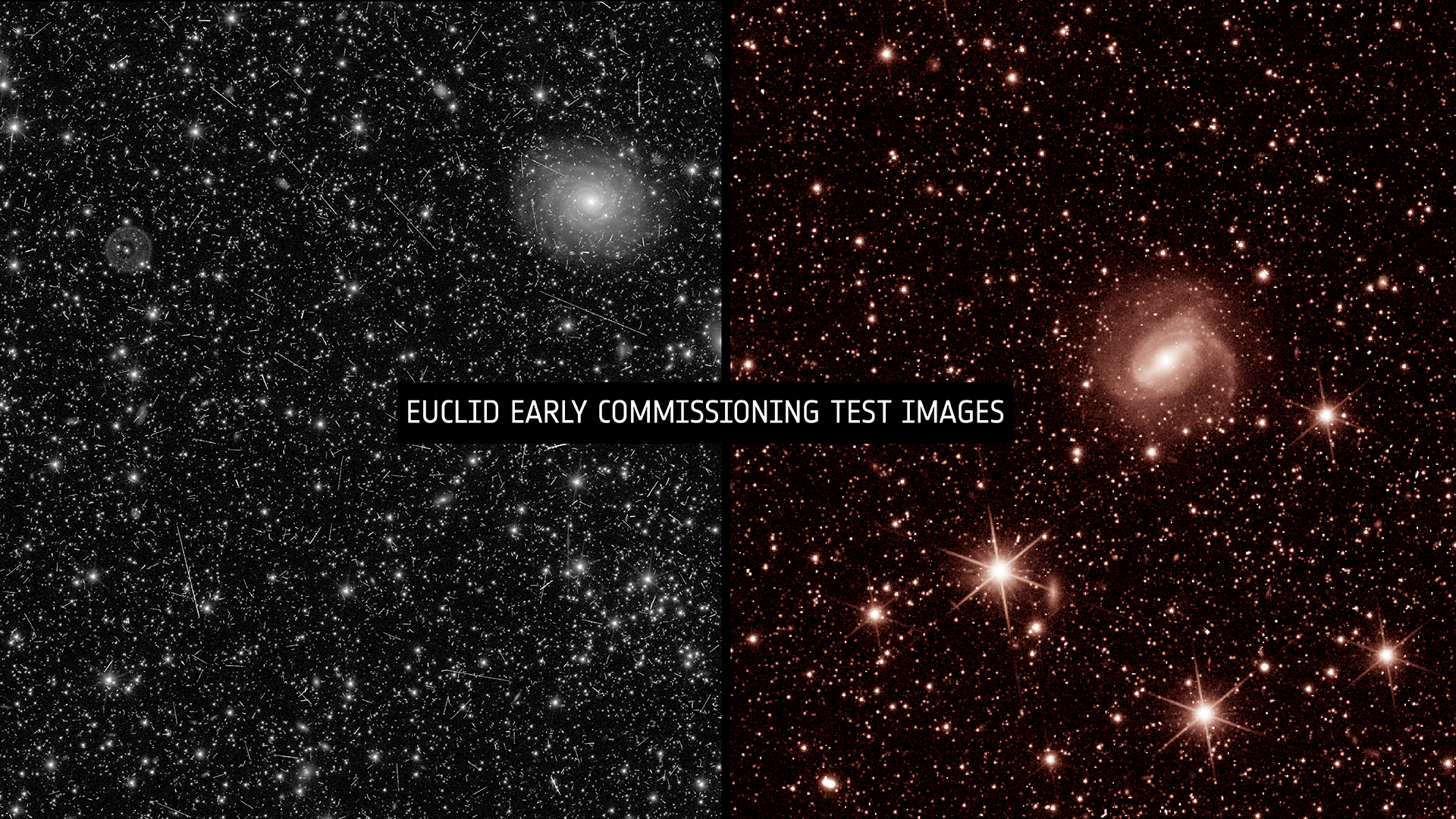
Why the epoch of reionisation matters
These quasars existed during the epoch of reionisation, when energetic radiation transformed much of the neutral gas between galaxies into ionised plasma.
Finding more quasars from this era helps astronomers estimate how common rapidly growing black holes were and how much radiation they contributed.
Why Euclid is good at finding rare quasars
Euclid combines wide sky coverage, sharp imaging and near-infrared sensitivity.
That combination makes it efficient at finding rare, faint objects that would be difficult to discover through smaller-area surveys alone.
What this says about early black-hole growth
A major puzzle is how black holes became supermassive so quickly after the Big Bang.
A larger quasar census lets researchers compare luminosities, host environments and number densities, helping test competing growth scenarios.
Frequently asked questions
Is this a real astronomy result?
Yes. The article is based on the official mission or agency release linked below.
Are these images AI-generated?
No. The images referenced in this article are official NASA/ESA/JPL mission imagery or agency visual material.
Why is this useful for beginners?
The article explains the observation, the physics behind it, what scientists can conclude, and what still remains uncertain.