NASA Images and SEO: A Complete Guide for Astronomy Websites
Learn how to use NASA images responsibly, credit astronomy sources, write descriptive image alt text, and follow Google's people-first SEO best practices.
Fresh astronomy guides with useful explanations, clean visuals and simple navigation. Newest articles are shown first.
Learn how to use NASA images responsibly, credit astronomy sources, write descriptive image alt text, and follow Google's people-first SEO best practices.
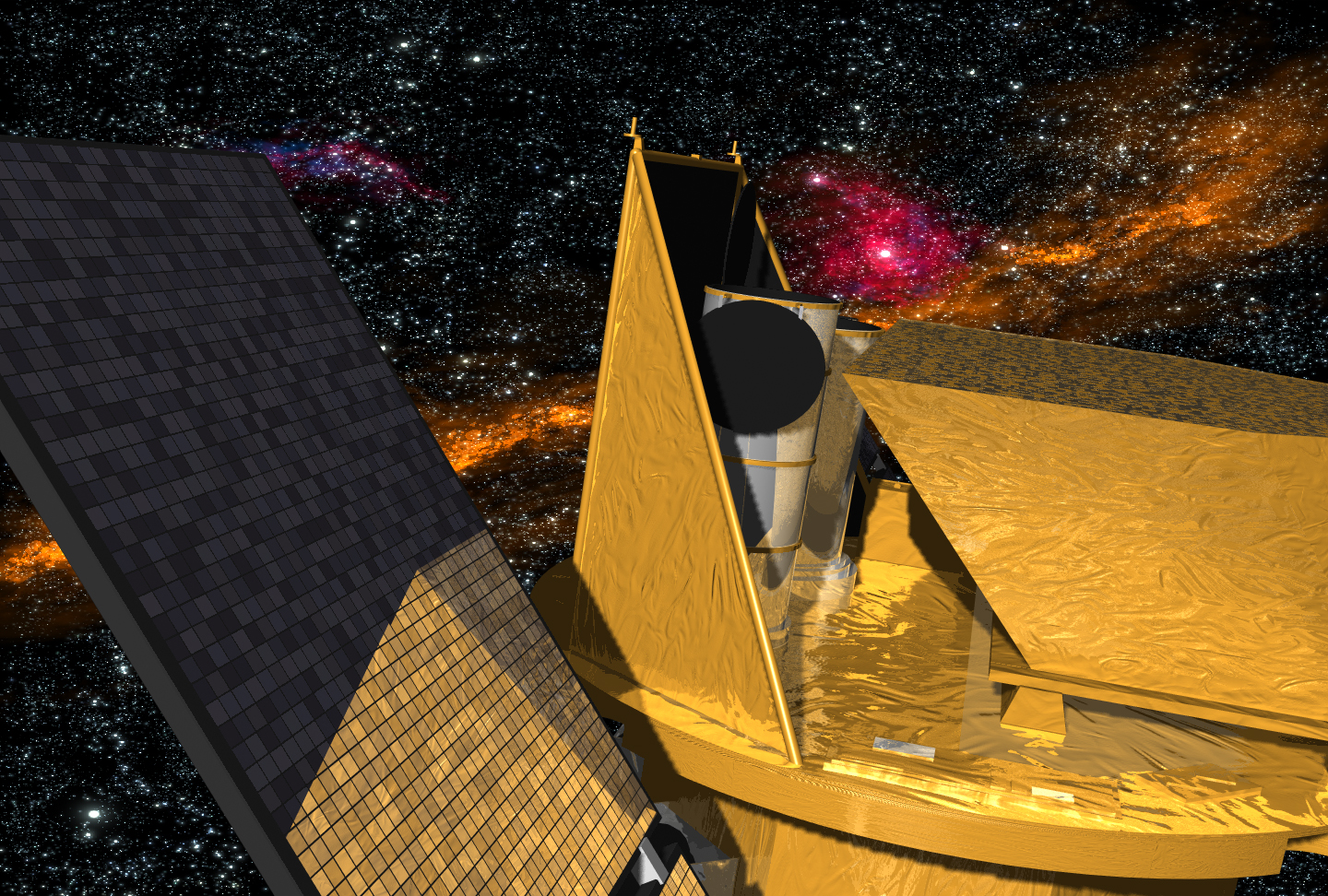
Discover the five Sun–Earth Lagrange points, why Webb operates near L2, and what a halo orbit really means.
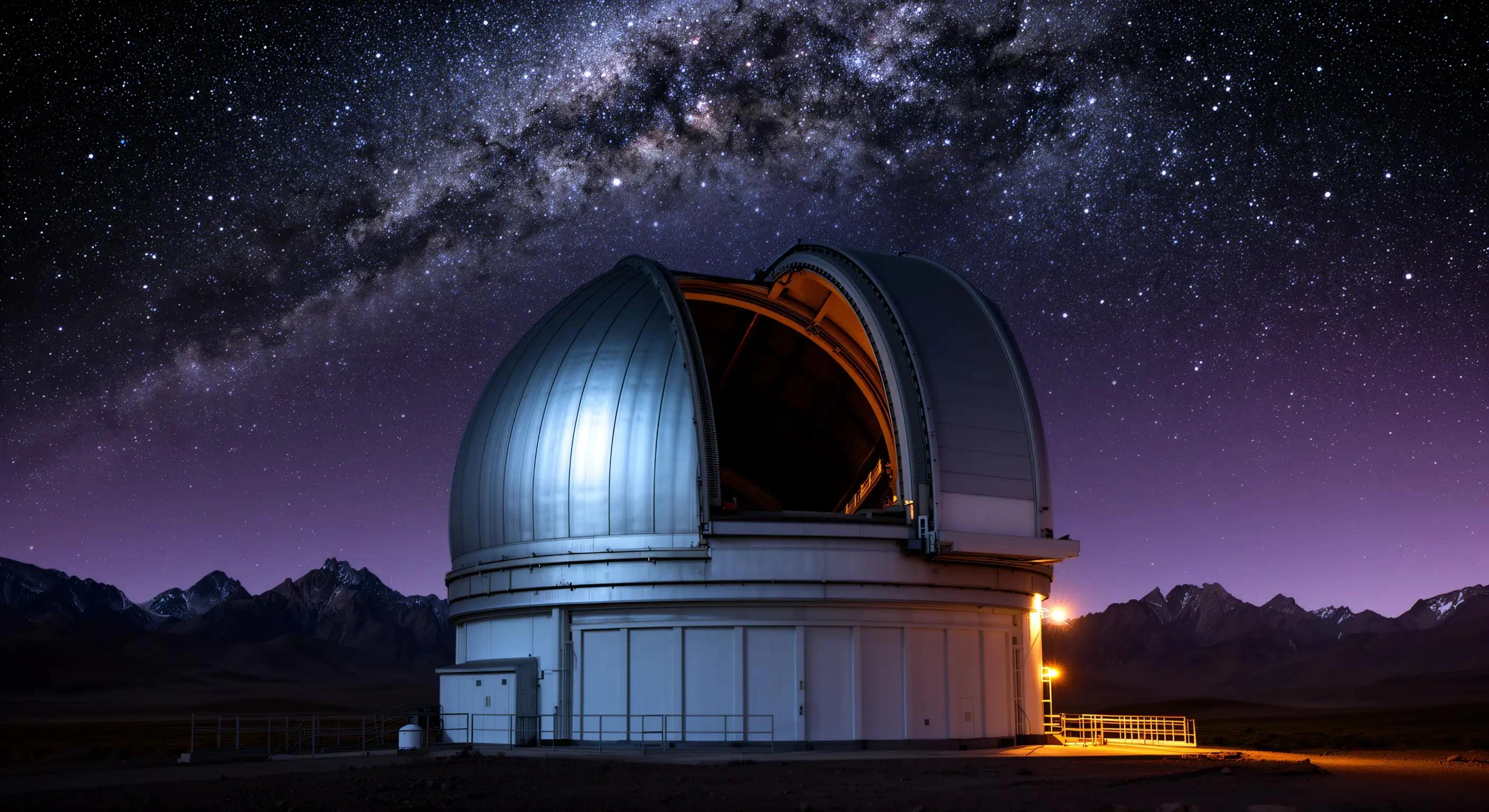
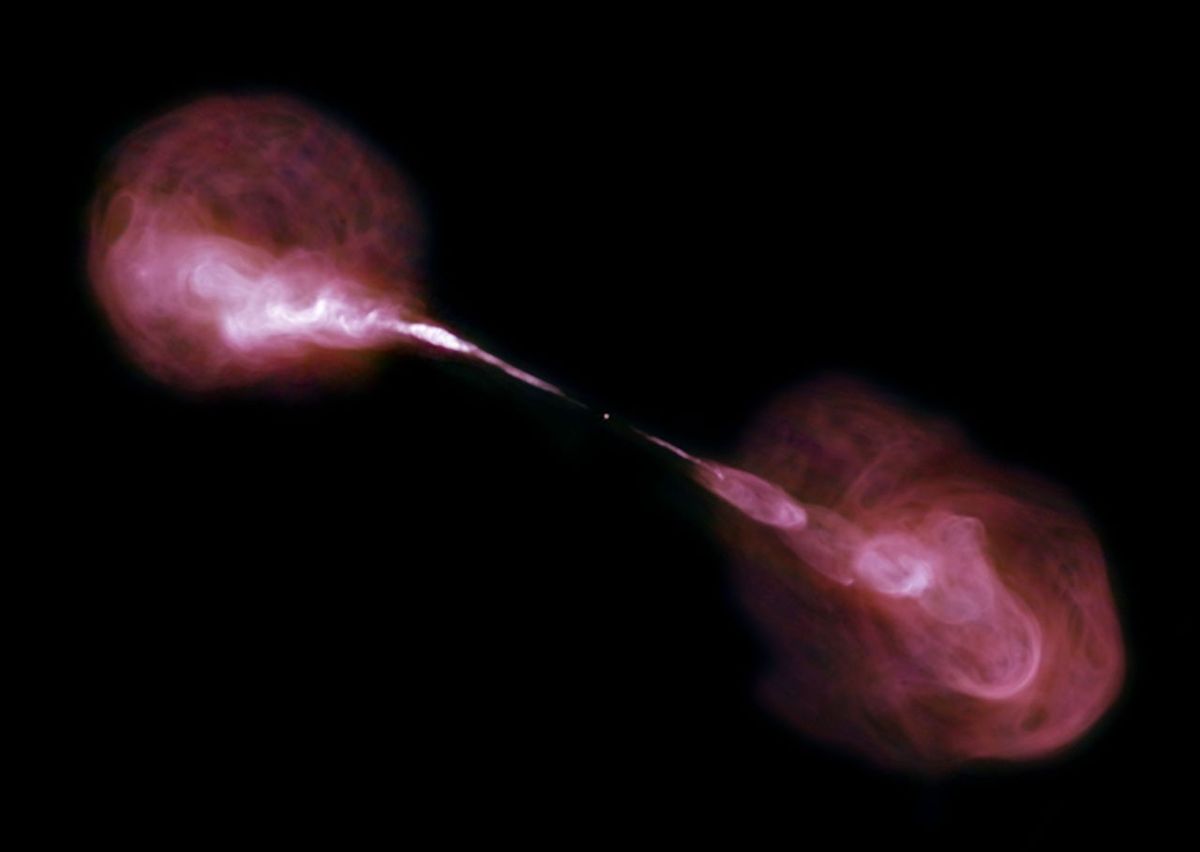
Learn how antennas detect cosmic radio waves, why arrays act like giant telescopes, and what radio astronomy reveals.
Understand stellar parallax, the parsec, and how ESA Gaia measures tiny apparent shifts to map our galaxy in three dimensions.
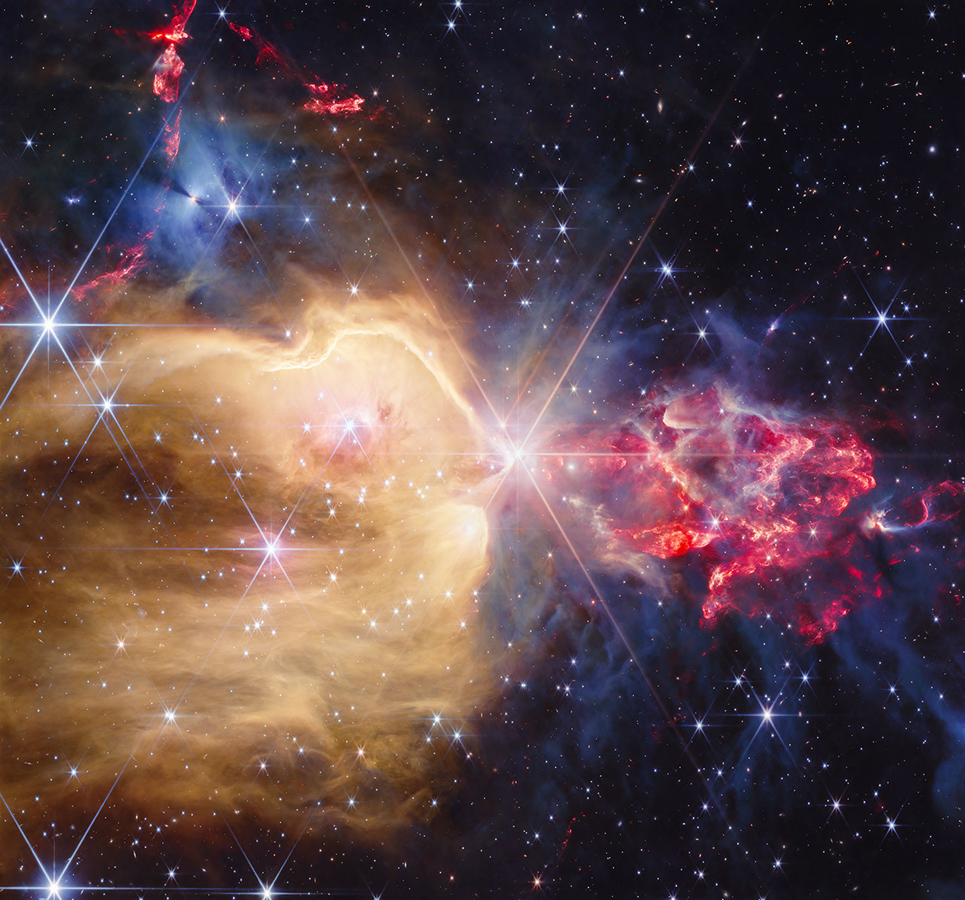
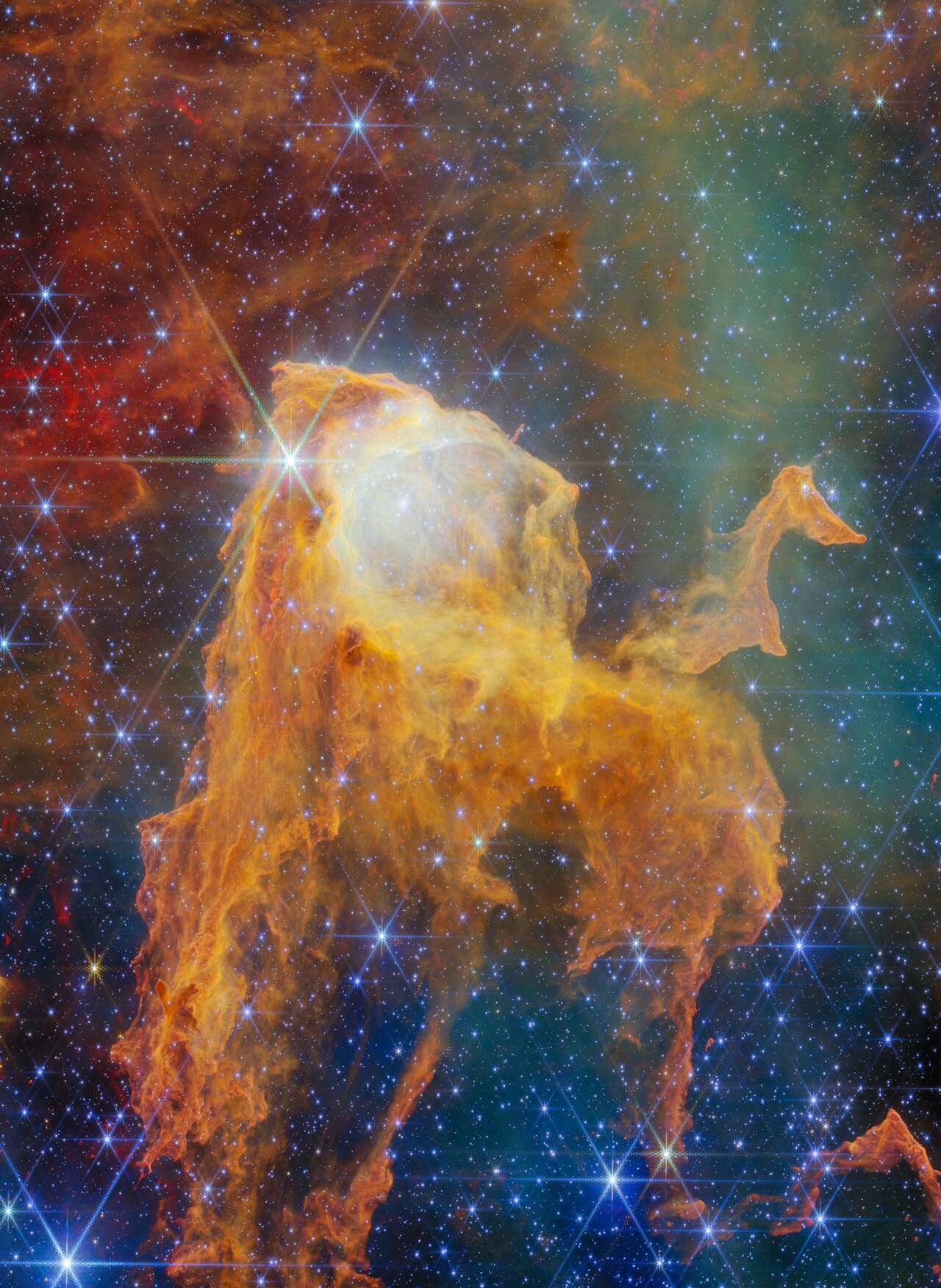
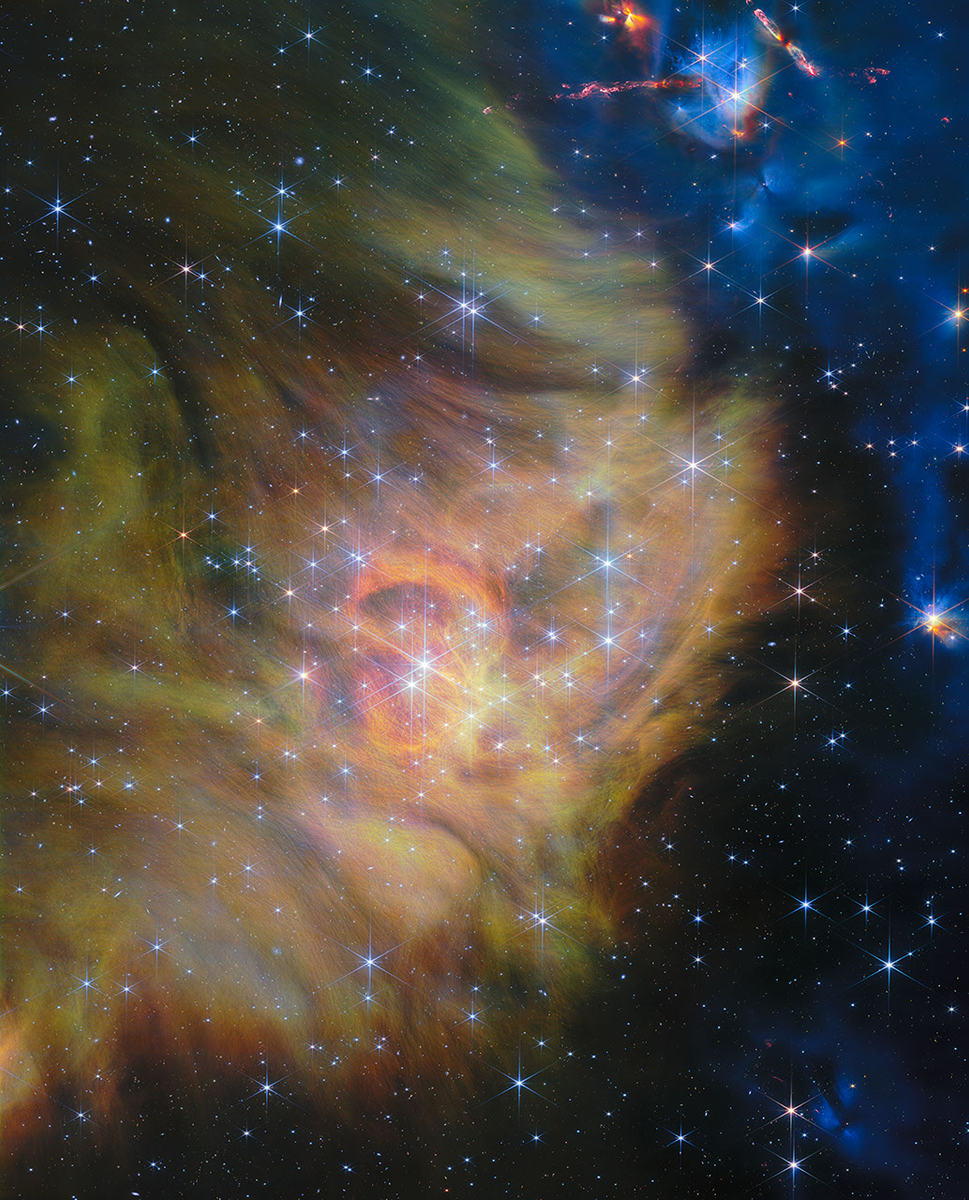
NASA’s James Webb Space Telescope has exposed protostars, bow shocks and powerful stellar jets inside NGC 7129, a star-forming region about 3,300 light-years away.
NASA’s Curiosity rover has returned a detailed dawn panorama of distant wind-carved yardangs on Mount Sharp, revealing unusual layers scientists hope to reach in 2027.
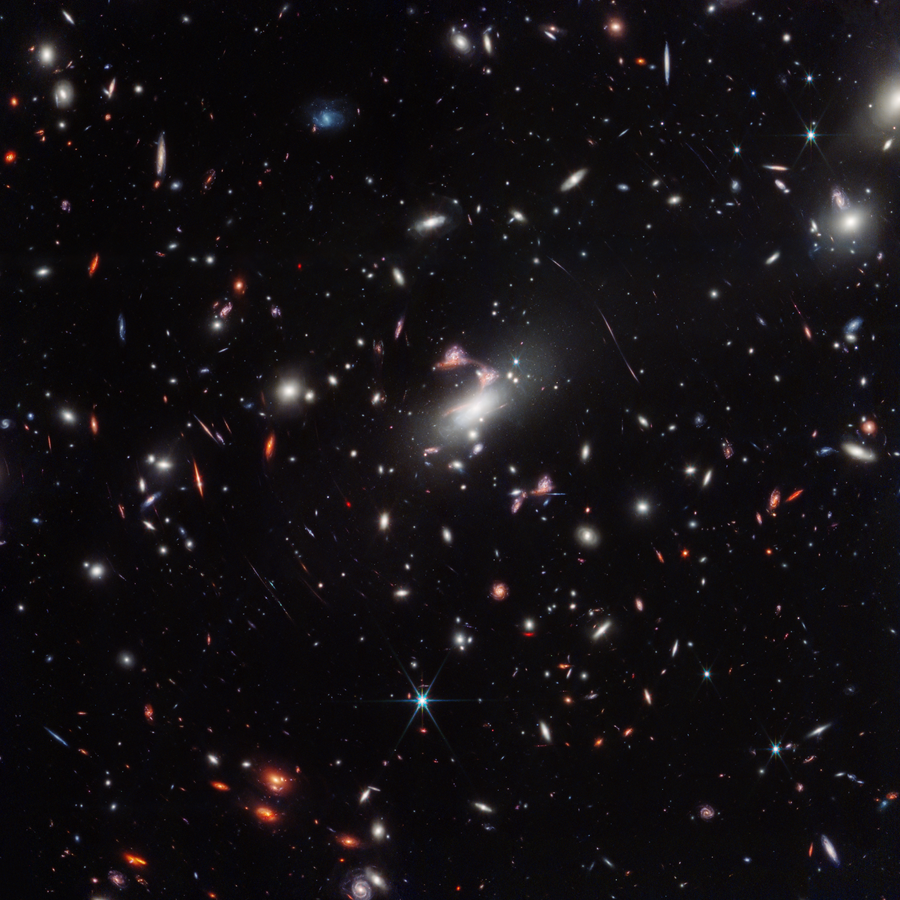
Hubble marked its 200,000th orbit while monitoring galaxy cluster MACS J0417 for the predicted reappearance of gravitationally lensed supernova Athena.
ESA’s Euclid mission has discovered 31 very distant quasars, including two record-setting examples shining when the universe was only about 670 million years old.
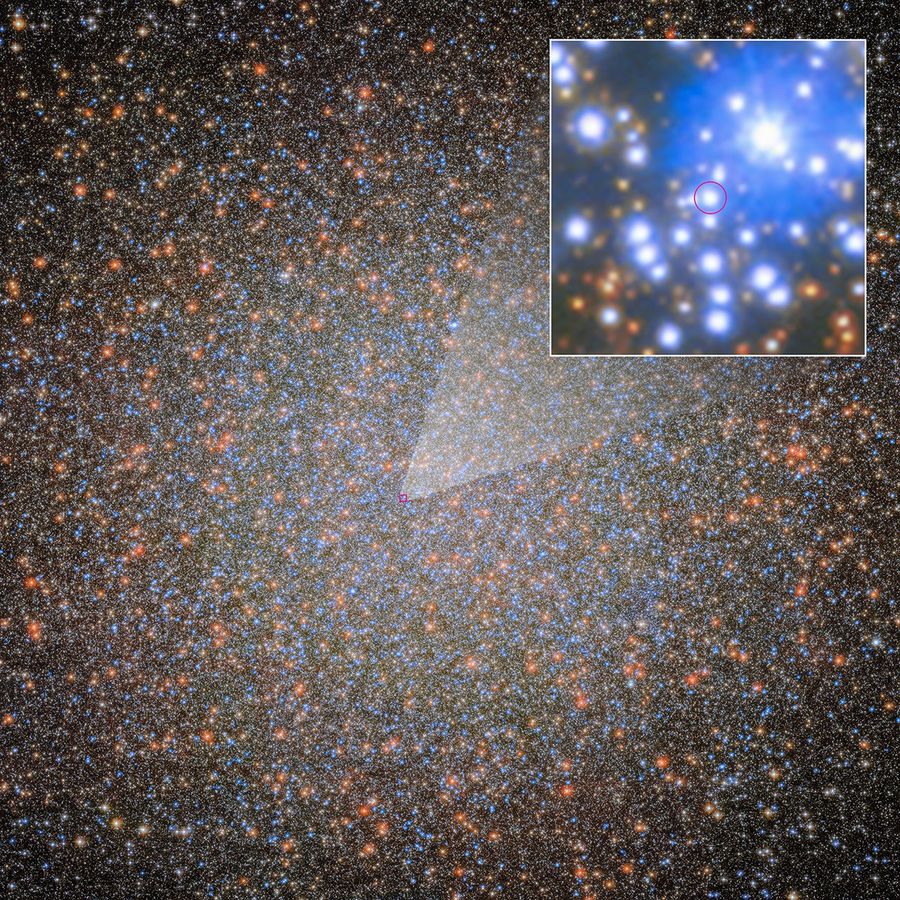
More than 20 years of Hubble data, sharpened by Webb measurements, have revealed a 4.46-solar-mass black hole in the dense star cluster Omega Centauri.
NASA’s Nancy Grace Roman Space Telescope has completed key fine-guidance tests and taken the Coronagraph Instrument’s first observation of cosmic light.
NASA’s Dragonfly rotorcraft is taking shape for its future journey to Titan, with its flight wiring harness installed and a key landing region formally named.
NASA’s Lucy spacecraft has begun imaging future Trojan asteroid targets from hundreds of millions of miles away to prepare for close encounters beginning in 2027.
New 2026 research shows that NASA’s DART impact changed not only Dimorphos’s orbit around Didymos but also slightly altered the binary asteroid system’s path around the Sun.
NASA’s SPHEREx has mapped water ice across Cygnus X, showing where dust shields frozen molecules from intense ultraviolet radiation around newborn stars.
Saturn’s icy moon Enceladus sprays water vapor and ice from fractures near its south pole. Here is what the plumes reveal about the ocean beneath the crust and why the moon matters in the search for habitable environments.
Jupiter’s moon Io is covered with active volcanoes, lava lakes and giant plumes. Learn how tidal flexing powers this extreme geology and what Juno is revealing during close flybys.
NASA’s OSIRIS-REx mission returned pristine rocks and dust from asteroid Bennu. Here is how the sample was collected, what scientists have found, and why it preserves clues from the early Solar System.
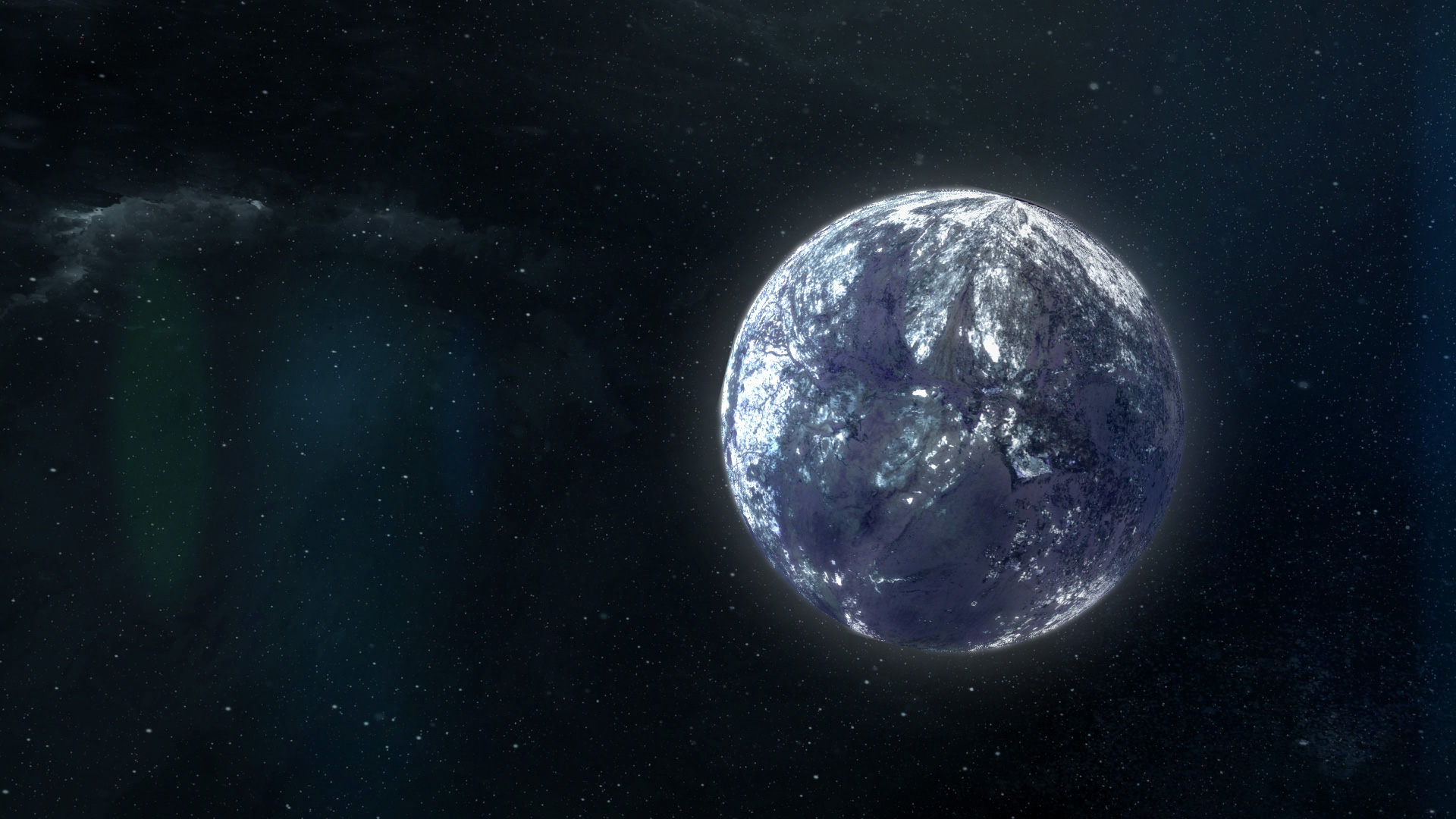
Voyager 2 and Hubble have watched enormous dark vortices appear, move and disappear in Neptune’s atmosphere. Here is what scientists know about these mysterious storms and the extreme winds around them.
Uranus has a narrow, dark ring system that looks dramatically different from Saturn’s. Voyager 2 discovered fine detail, and Webb has now revealed the rings with remarkable infrared sensitivity.
XZ Andromedae is an Algol-type eclipsing binary whose brightness drops when its cooler star passes in front of its hotter companion. Light-curve studies also hint that more stars may orbit the system.
Zodiacal light is sunlight scattered by interplanetary dust. A 2026 view from the Hanle Dark Sky Reserve shows the faint glow stretching upward through the night sky with Jupiter, Mars and M44 nearby.
The Cocoon Nebula, IC 5146, glows at the end of a long dark cloud in Cygnus. A wide-field view reveals both the bright stellar nursery and dusty filaments where new stars are still forming.
Messier 33 is a face-on spiral galaxy about 3 million light-years away. Its blue star clusters, pink nebulae and giant NGC 604 region make it one of the Local Group’s most active nearby galaxies.
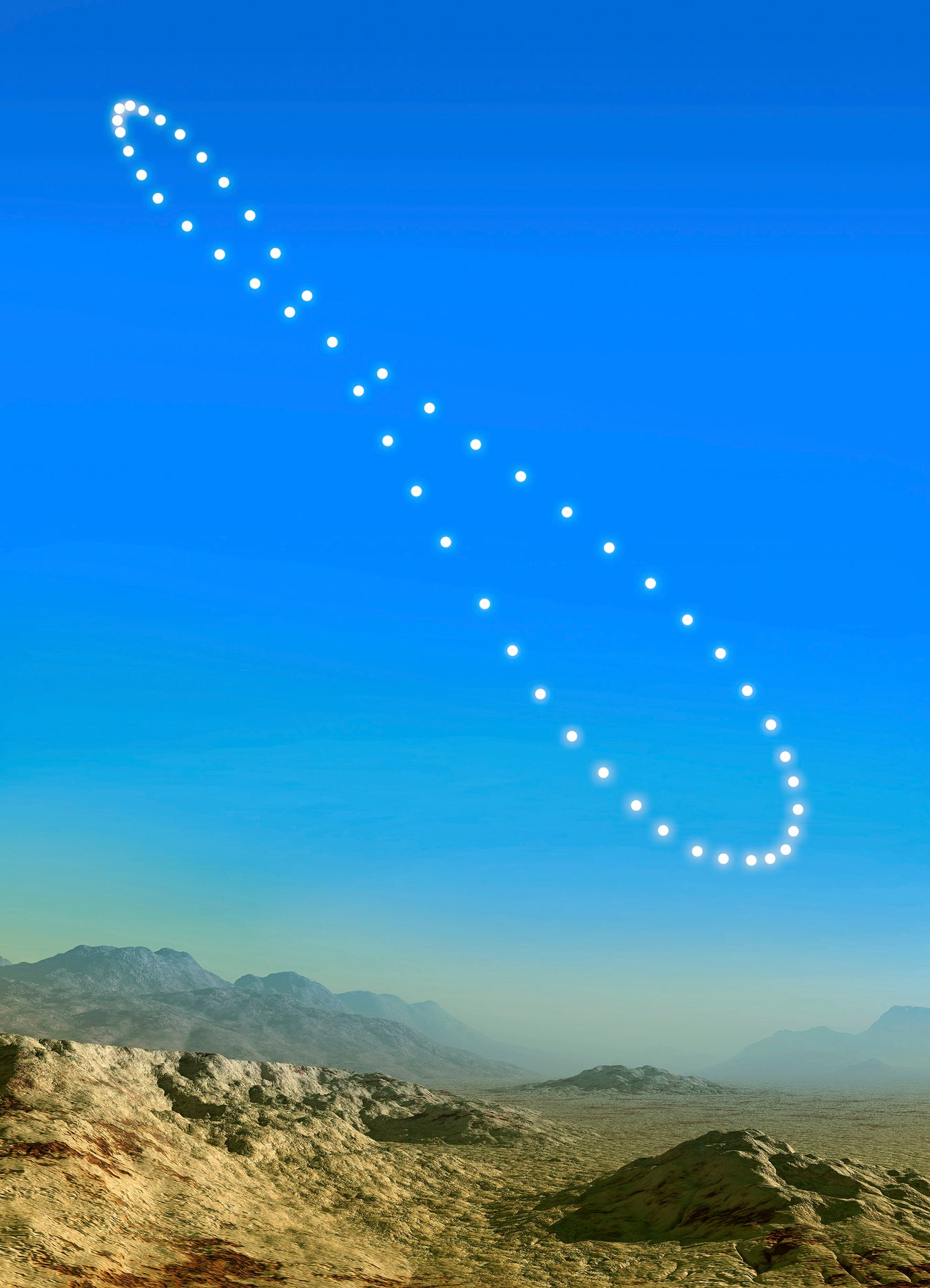
Photographing the Sun from the same place at the same time over many months reveals an analemma—a figure-8 pattern caused by Earth’s axial tilt and elliptical orbit.
Swift has restored its Burst Alert Telescope and automatic gamma-ray burst slewing, returning the observatory to full three-instrument science operations.
A new NASA study shows that Jezero Crater’s Margin Unit records several different episodes of ancient water, from groundwater to lake conditions and later hot fluids.
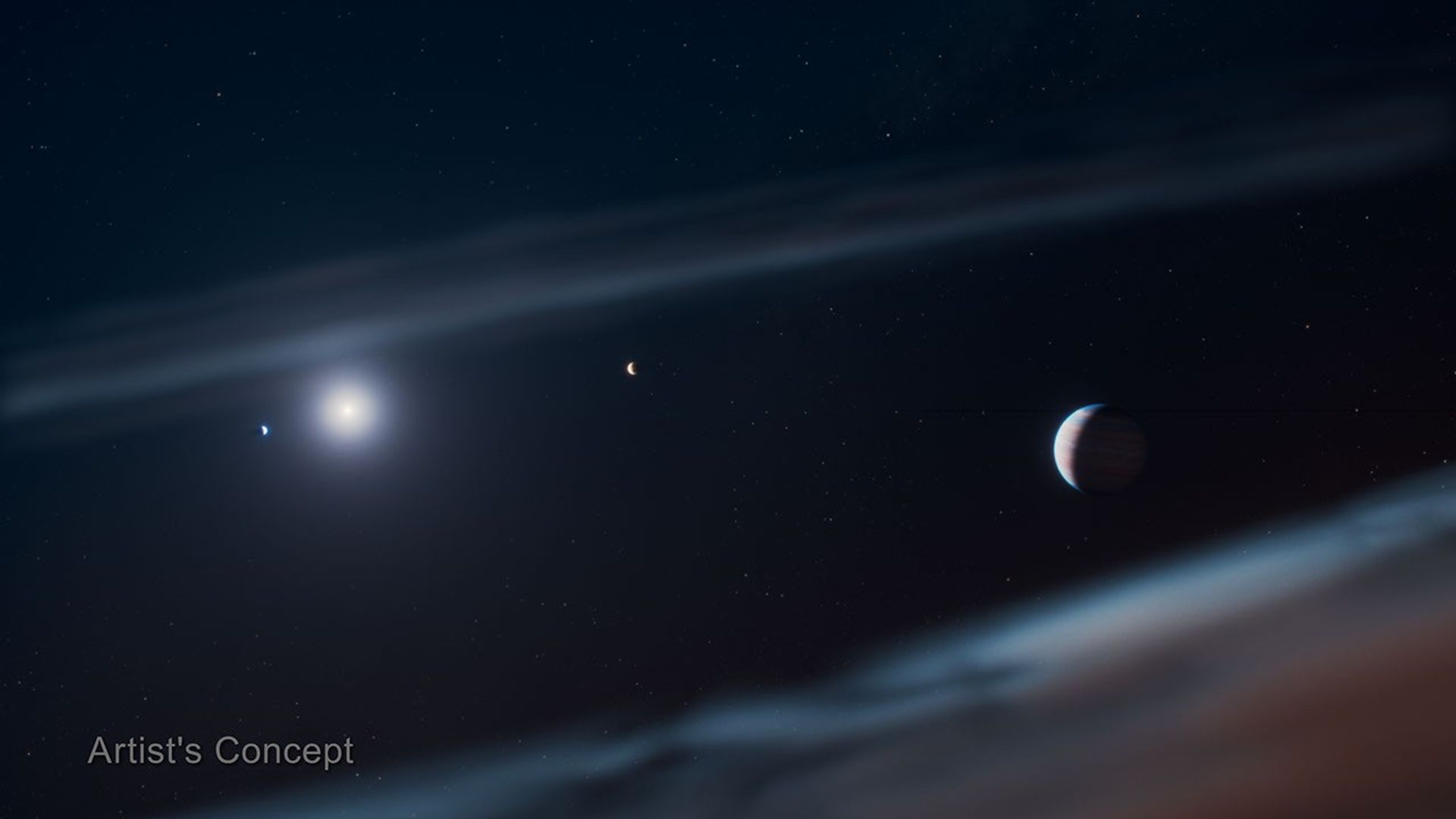
Astronomers confirmed Elias 2-24 b as a world less than one million years old, still embedded in the disk where planets are forming around its star.
Webb’s infrared view of Messier 64 exposes warm dust and active star-forming regions where two gas systems rotate in opposite directions.
Webb’s NIRCam peers into a dusty Carina Nebula globule containing about 70 young stars in a cluster estimated to be around 1.3 million years old.
A lower-redshift spiral nicknamed the Saguaro may show how some mysterious Webb “little red dots” are connected to obscured active galactic nuclei and hidden host galaxies.
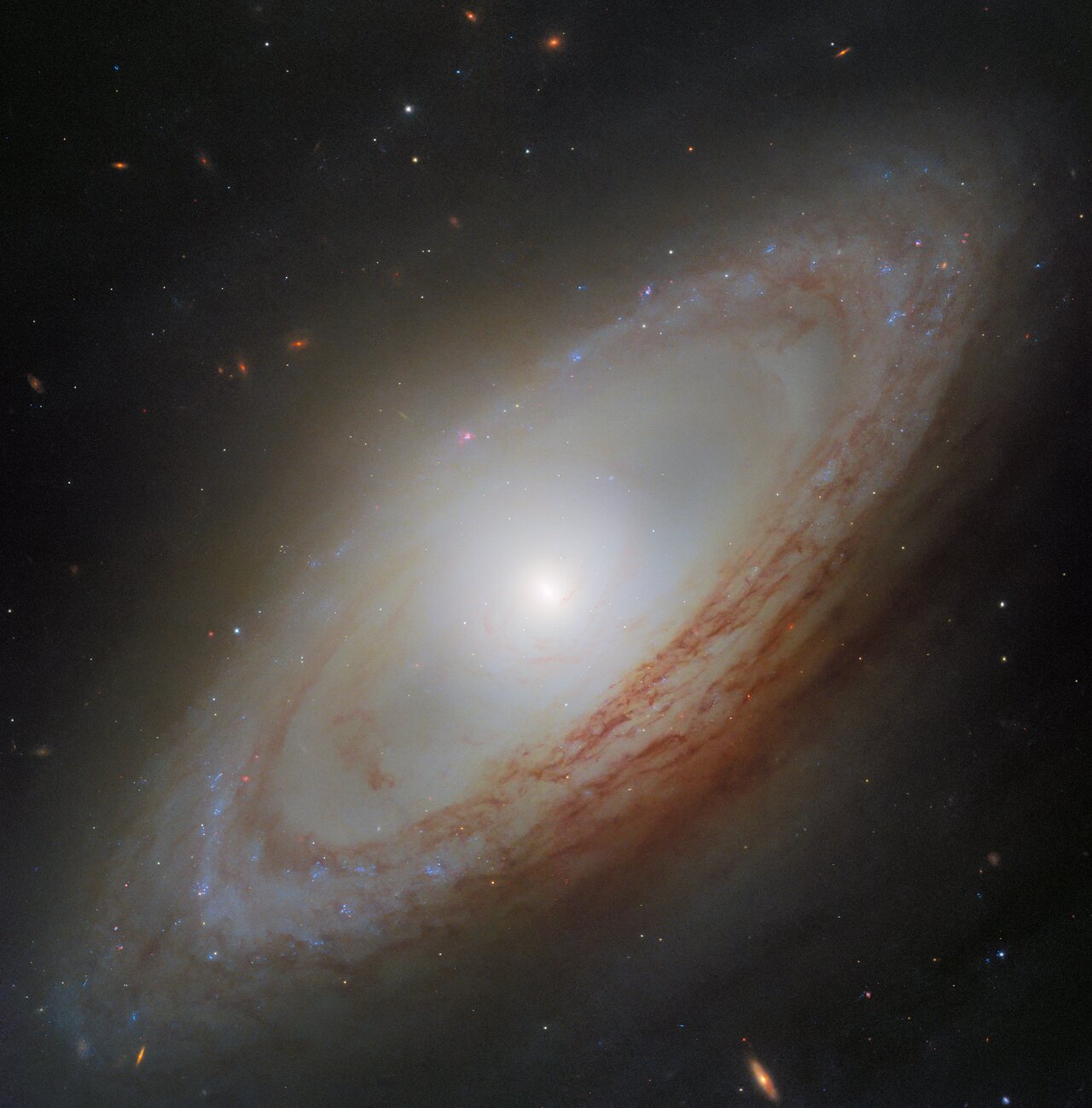
Hubble’s new view of NGC 4698 reveals a Virgo Cluster spiral whose central stars and gas rotate at right angles to its main disk, hinting at a complex past.
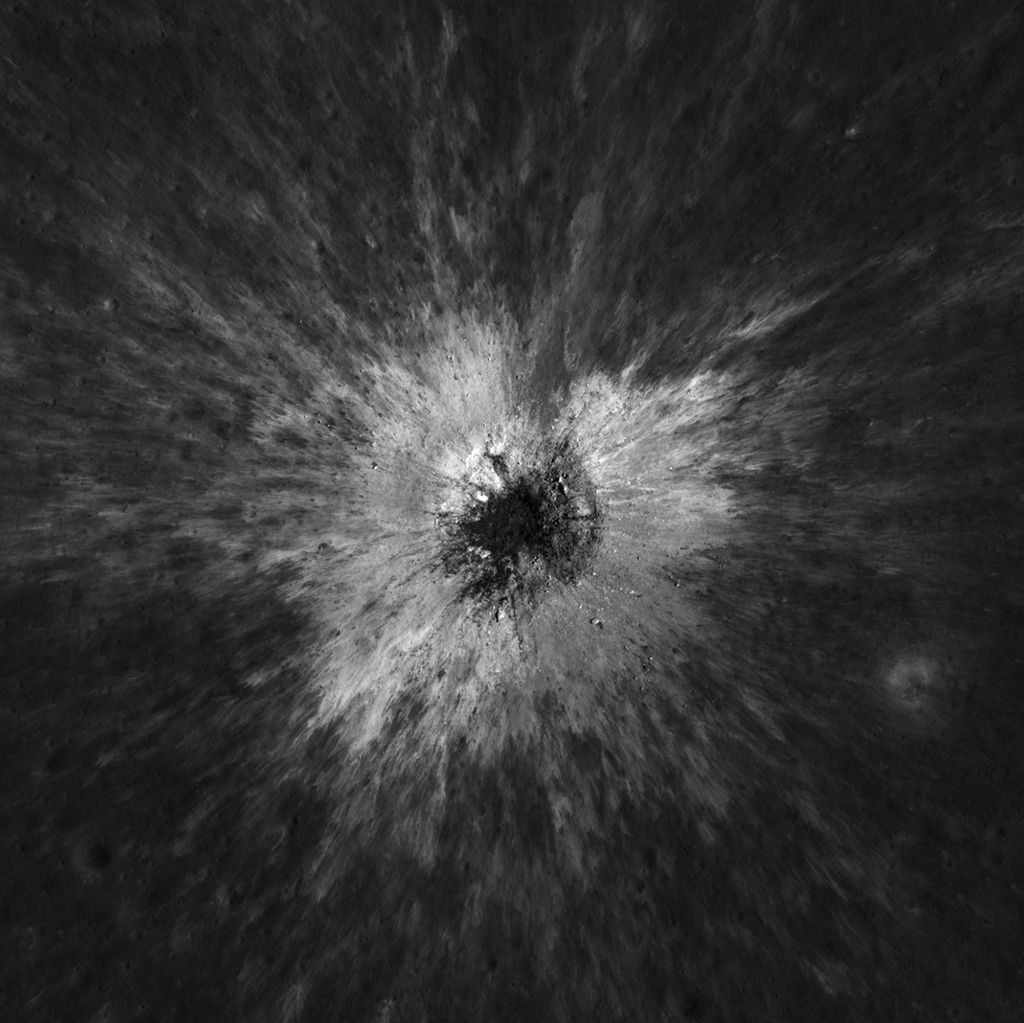
NASA’s Lunar Reconnaissance Orbiter found McGetchin crater, a 728-foot-wide impact scar formed in 2024 and surrounded by a surprising nighttime cold spot.
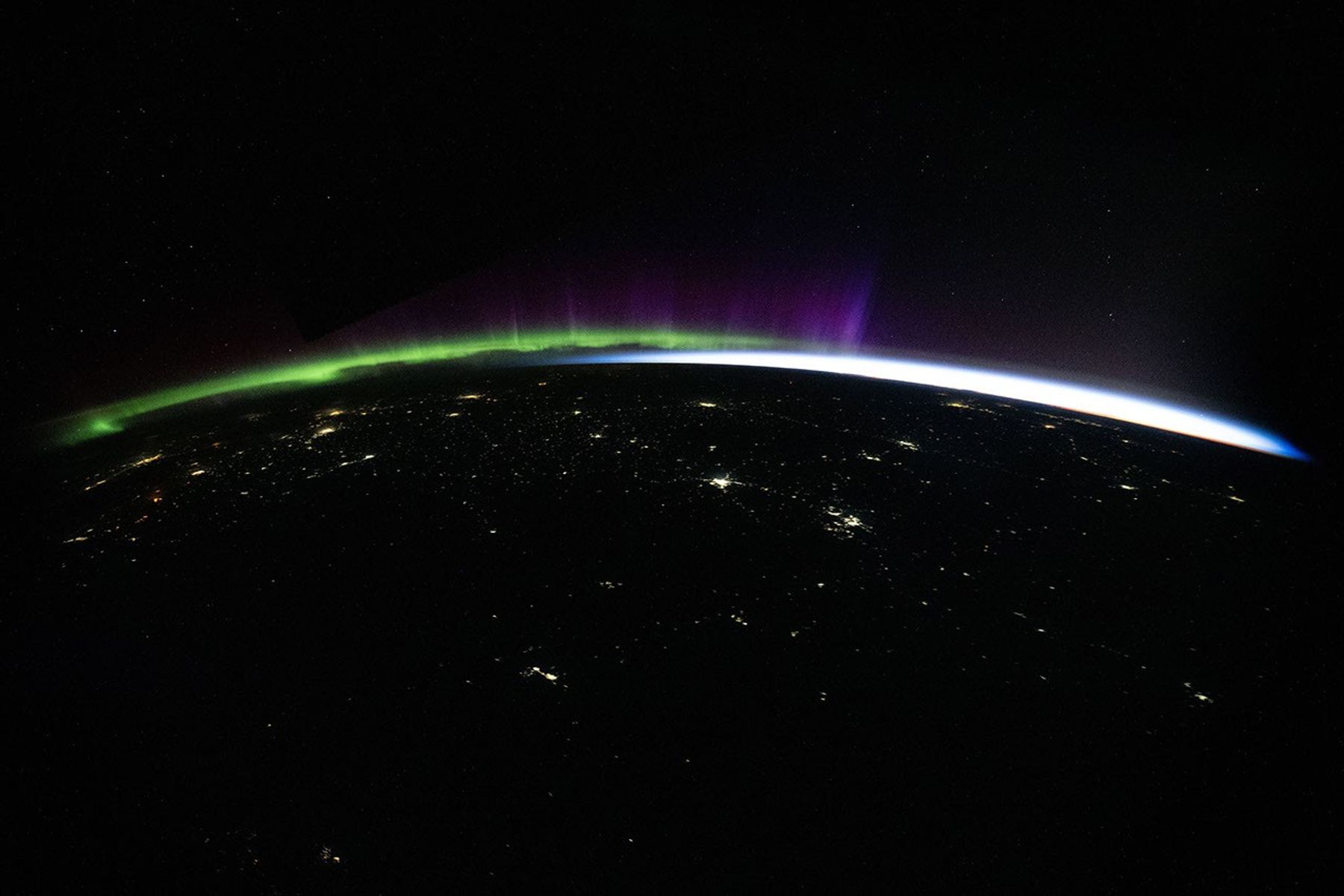
An astronaut photographed a vivid green-and-purple aurora from the ISS on September 7, 2026. Here is what creates the colors and why equinox season matters.
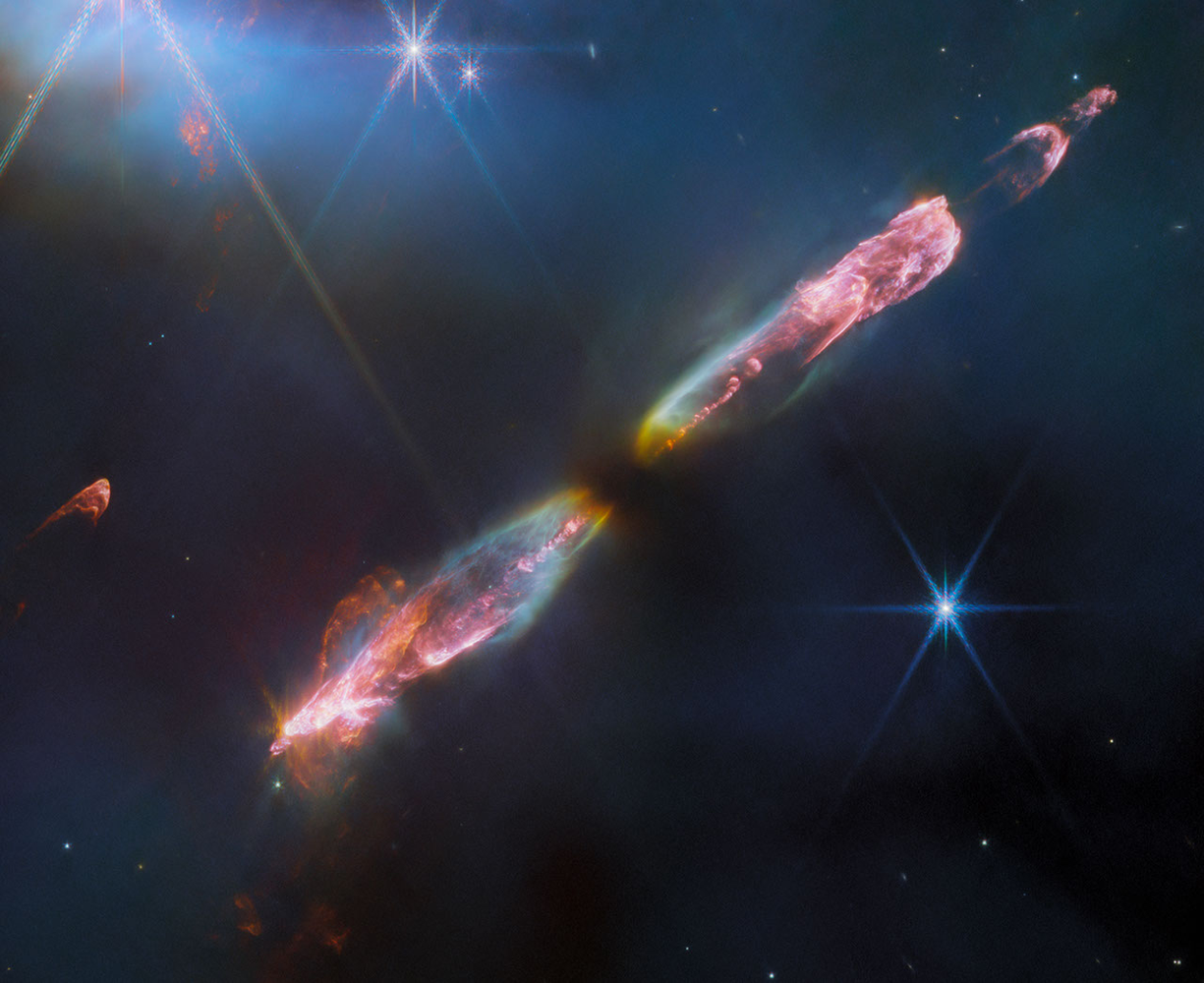
Webb’s huge new panorama of IC 348 reveals extremely low-mass brown dwarfs, a possible disk around one of them, and dramatic newborn-star jets.
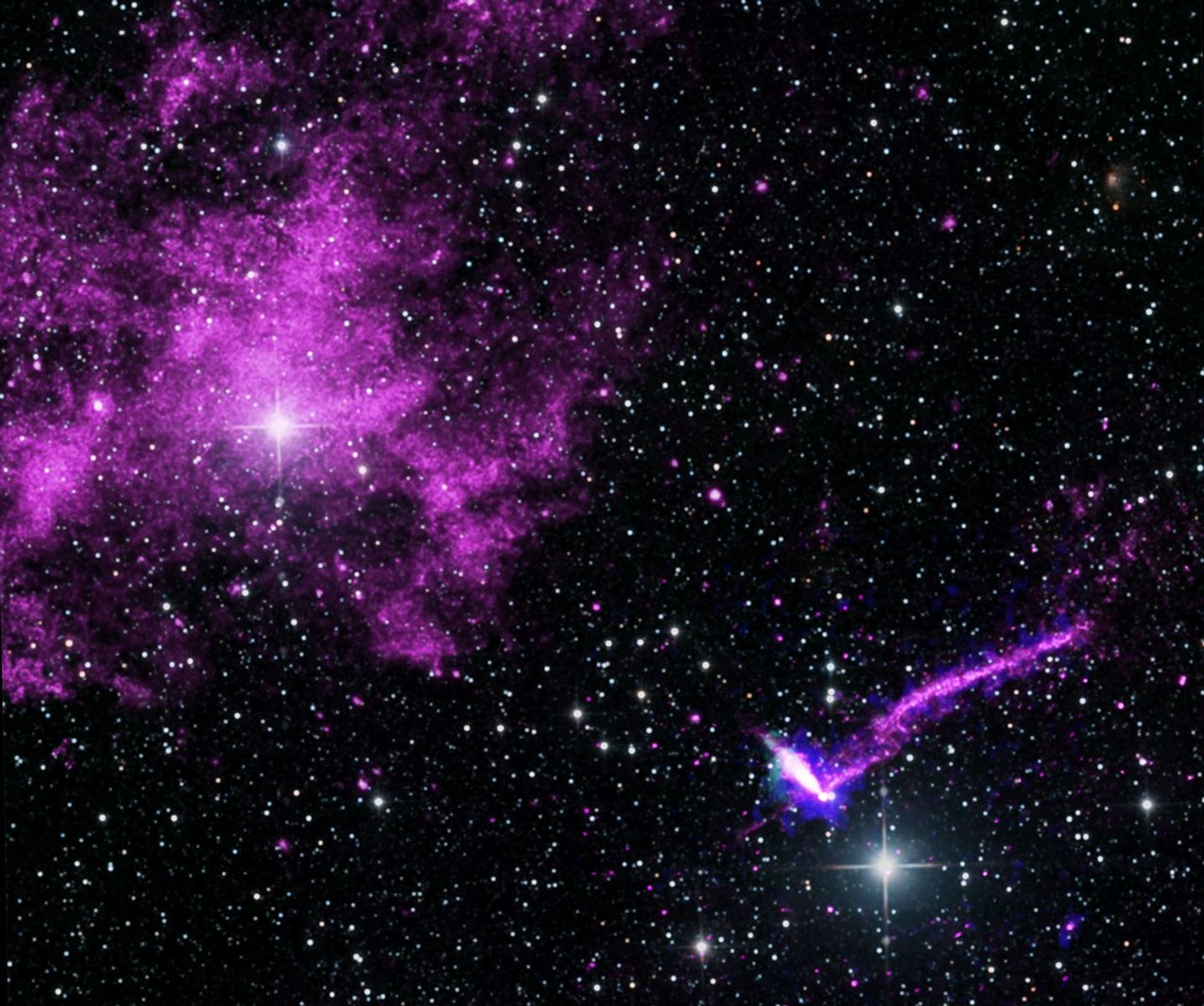
NASA and JAXA’s XRISM mission directly traced hot plasma falling toward pulsar GX 301-2 in the BP Crucis system, revealing how a neutron star feeds during powerful X-ray flares.
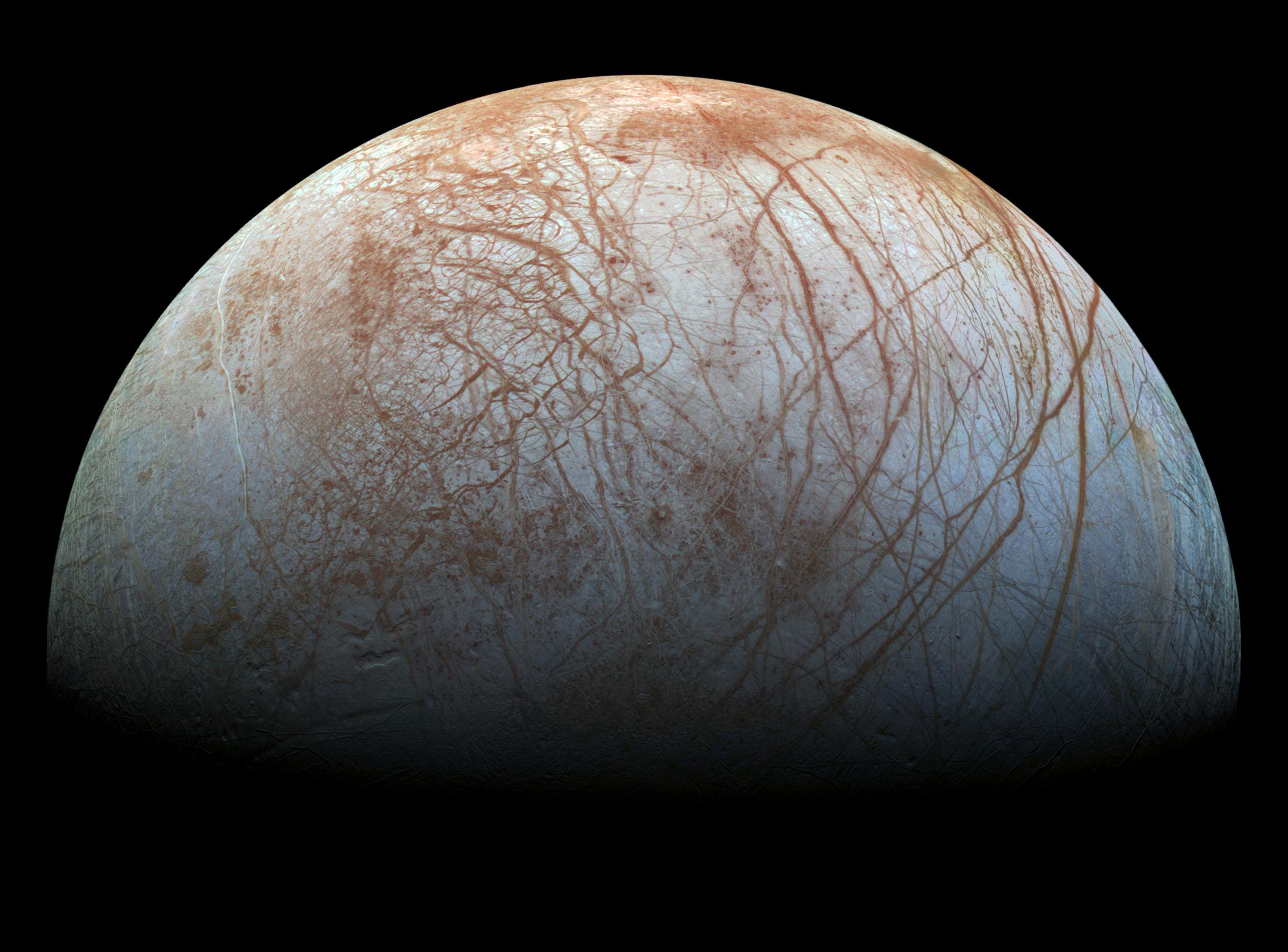
Europa is wrapped in ice, but evidence points to a global salty ocean beneath the surface. Here is why scientists consider it one of the Solar System’s most important places to investigate for habitability.
Venus is close to Earth in size, yet its surface is hot enough to melt lead and buried beneath crushing pressure. The difference is a lesson in atmospheres, climate and planetary evolution.
Quasars are powered by matter falling toward supermassive black holes. Their extreme brightness lets astronomers study black-hole growth, early galaxies and gas across the distant universe.
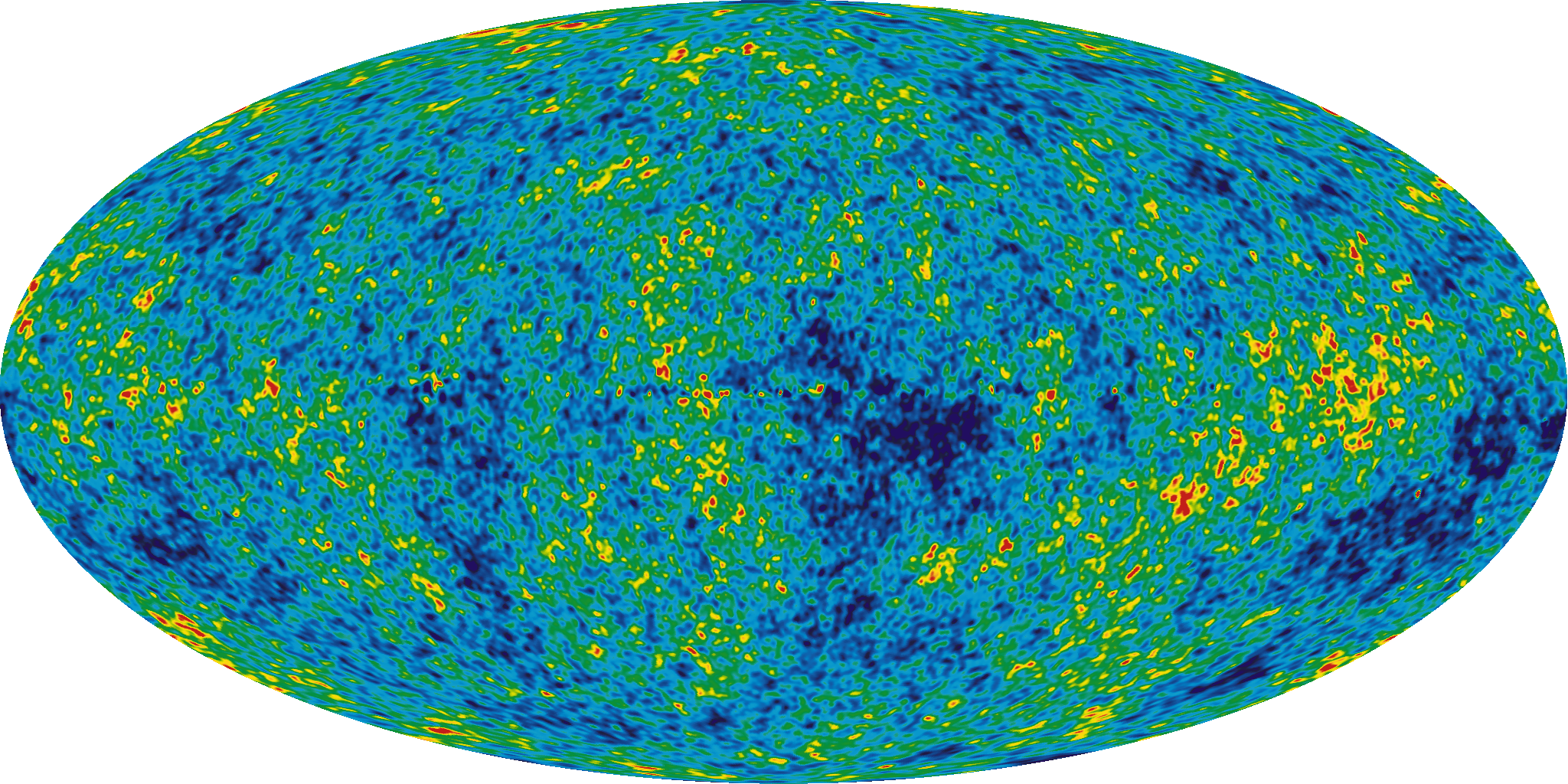
The cosmic microwave background is a faint microwave glow from the young universe. Its tiny temperature variations preserve a map of the seeds that later grew into galaxies and cosmic structure.
Some planetary-mass objects appear to travel through the galaxy without orbiting a host star. Microlensing surveys can reveal these dark, free-floating worlds even when they produce almost no light of their own.
The Sun constantly releases a stream of charged particles called the solar wind. It fills interplanetary space, drives space weather and helps create the heliosphere surrounding the planets.
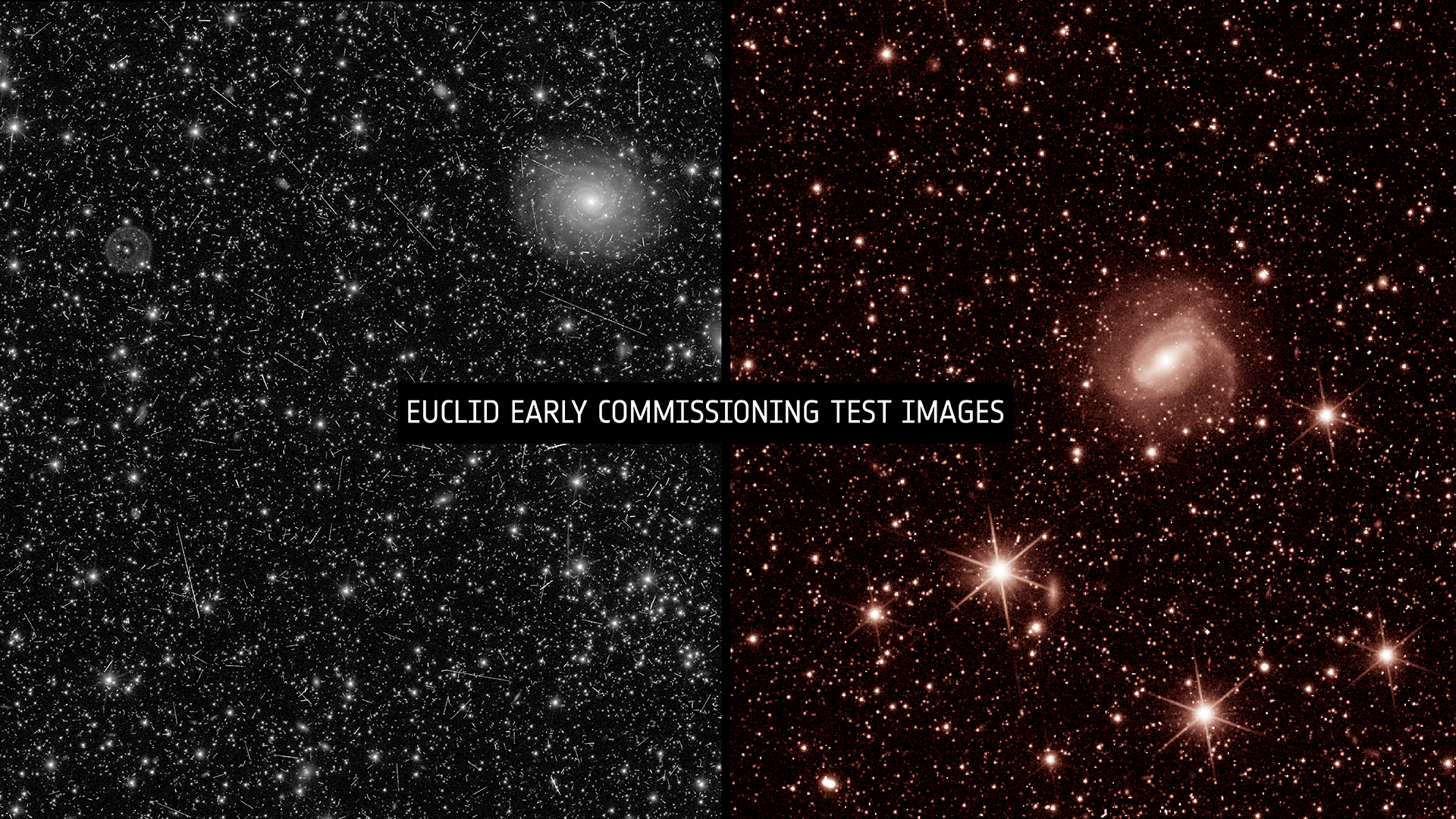
ESA’s Euclid telescope has captured an extraordinary view of the Milky Way’s central bulge, revealing dense star fields and new microlensing opportunities.
Webb observations of IRS 3 show that water and oxygen-rich dust can survive unexpectedly close to Sagittarius A* at our galaxy’s center.
A fresh Hubble view of N44 in the Large Magellanic Cloud shows how stellar winds and supernovae shape star-forming bubbles.
Webb’s deep infrared survey pierces the dust of M82 and reveals millions of individual stars across the famous starburst galaxy.
A new Webb infrared view of Centaurus A reveals warped dust, huge stellar populations and the influence of a feeding black hole.
Learn the main methods astronomers use to discover planets around other stars, from transits to tiny stellar wobbles.
How Webb uses infrared light, a giant segmented mirror and a cold deep-space orbit to study the early universe and distant worlds.
Understand new moon, crescent, quarter, gibbous and full moon phases — and why Earth’s shadow is not the cause.
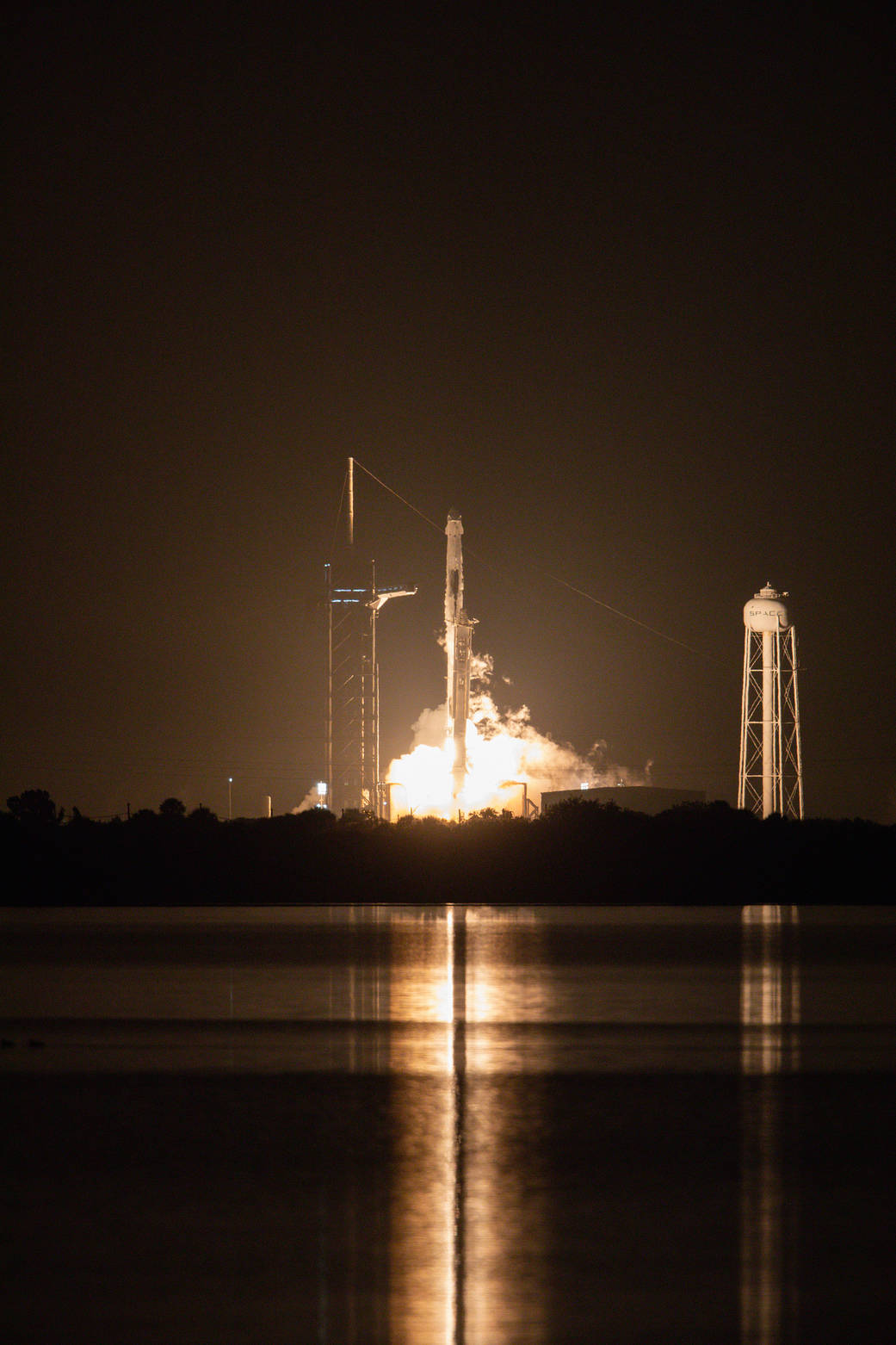
A current look at major spaceflight milestones, recent launches and missions still scheduled for the rest of the year.
A beginner-friendly explanation of cosmic acceleration, what astronomers mean by dark energy, and why the answer is still uncertain.
From city lights to clouds, oceans and vegetation, satellite views turn Earth into a measurable, changing system.
Scientists search for life by studying habitable environments, atmospheric chemistry, radio signals and worlds in our Solar System.
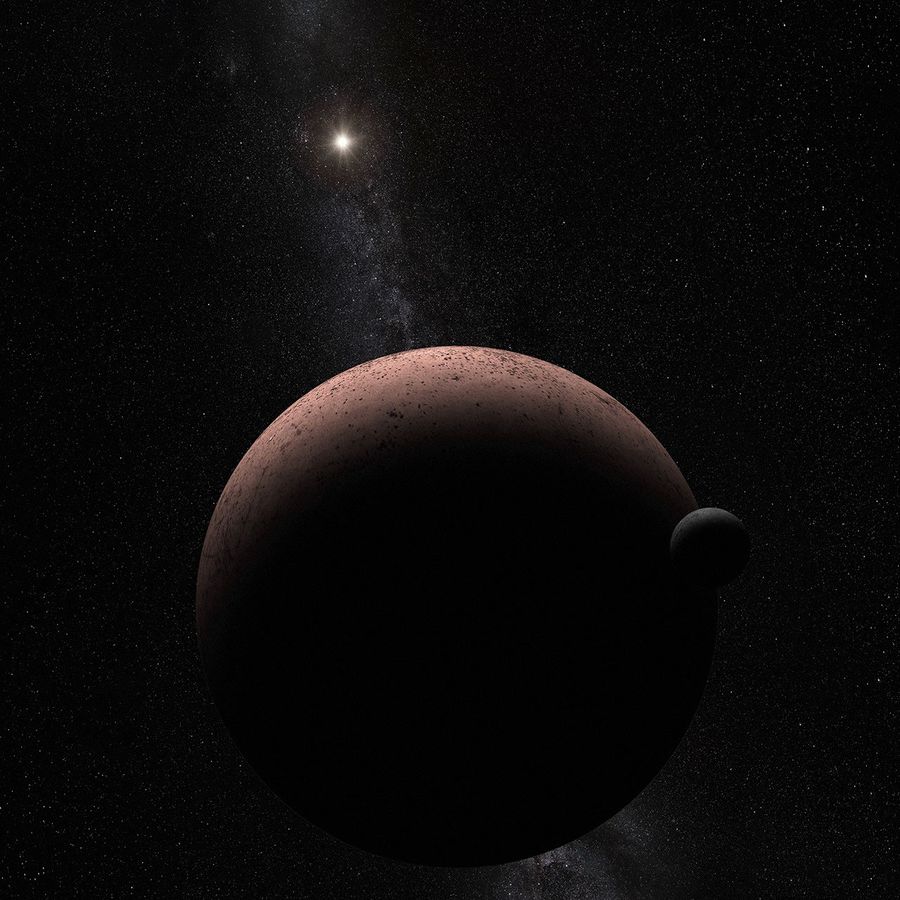
Meet Pluto, Ceres, Eris, Haumea and Makemake, and learn what makes a dwarf planet different from a major planet.
Learn how colliding black holes and neutron stars create measurable ripples in space-time and how detectors find them.
What commercial space tourism offers today, why it remains expensive, and what would need to change before it becomes ordinary travel.