
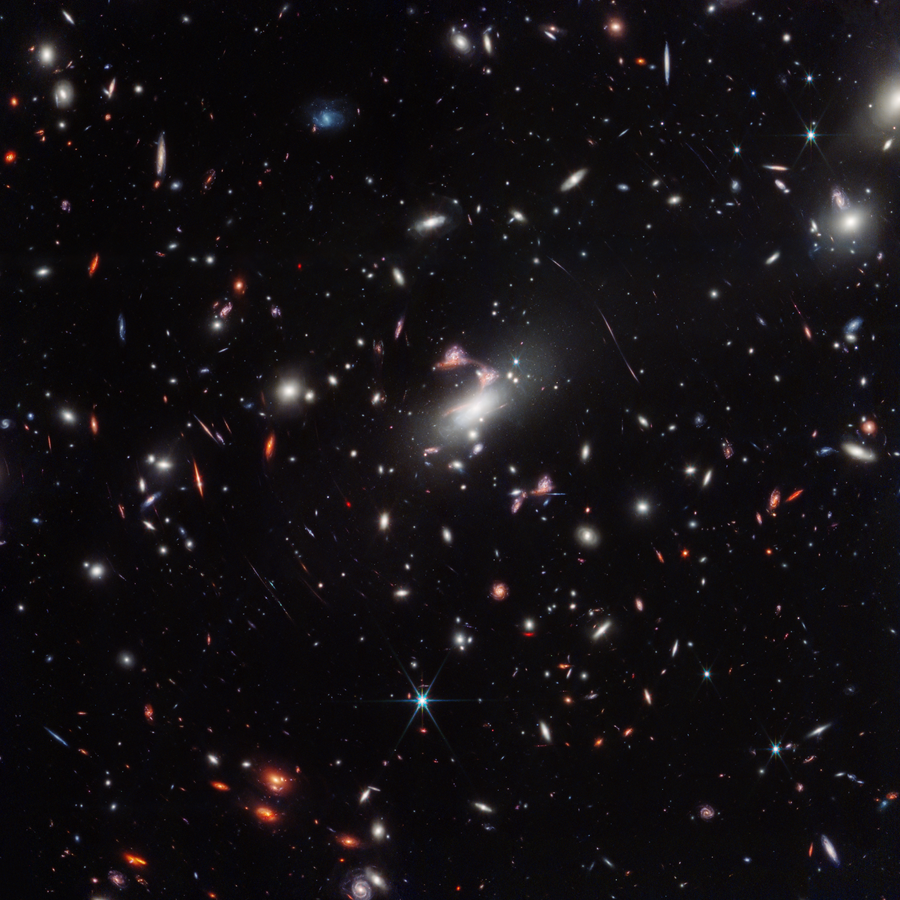
NASA’s Hubble Space Telescope marked its 200,000th orbit while monitoring galaxy cluster MACS J0417 for the predicted reappearance of the gravitationally lensed supernova Athena, a timing test that can help probe cosmic expansion.
What the 200,000th orbit milestone means
Hubble completed its 200,000th orbit around Earth on September 19, 2026, after more than 36 years in space.
The milestone is notable because the observatory remains scientifically productive, with demand for observing time still far greater than the available schedule.
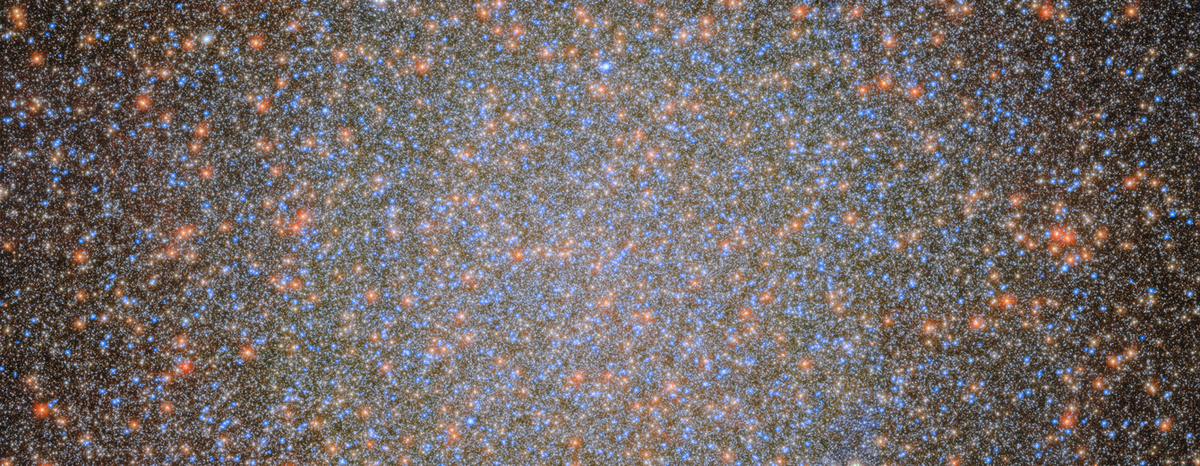
What Supernova Athena is
Athena is a distant stellar explosion seen through the foreground galaxy cluster MACS J0417.
Webb identified the event in 2025, and models predict that lensing should make the supernova appear again along another light path.
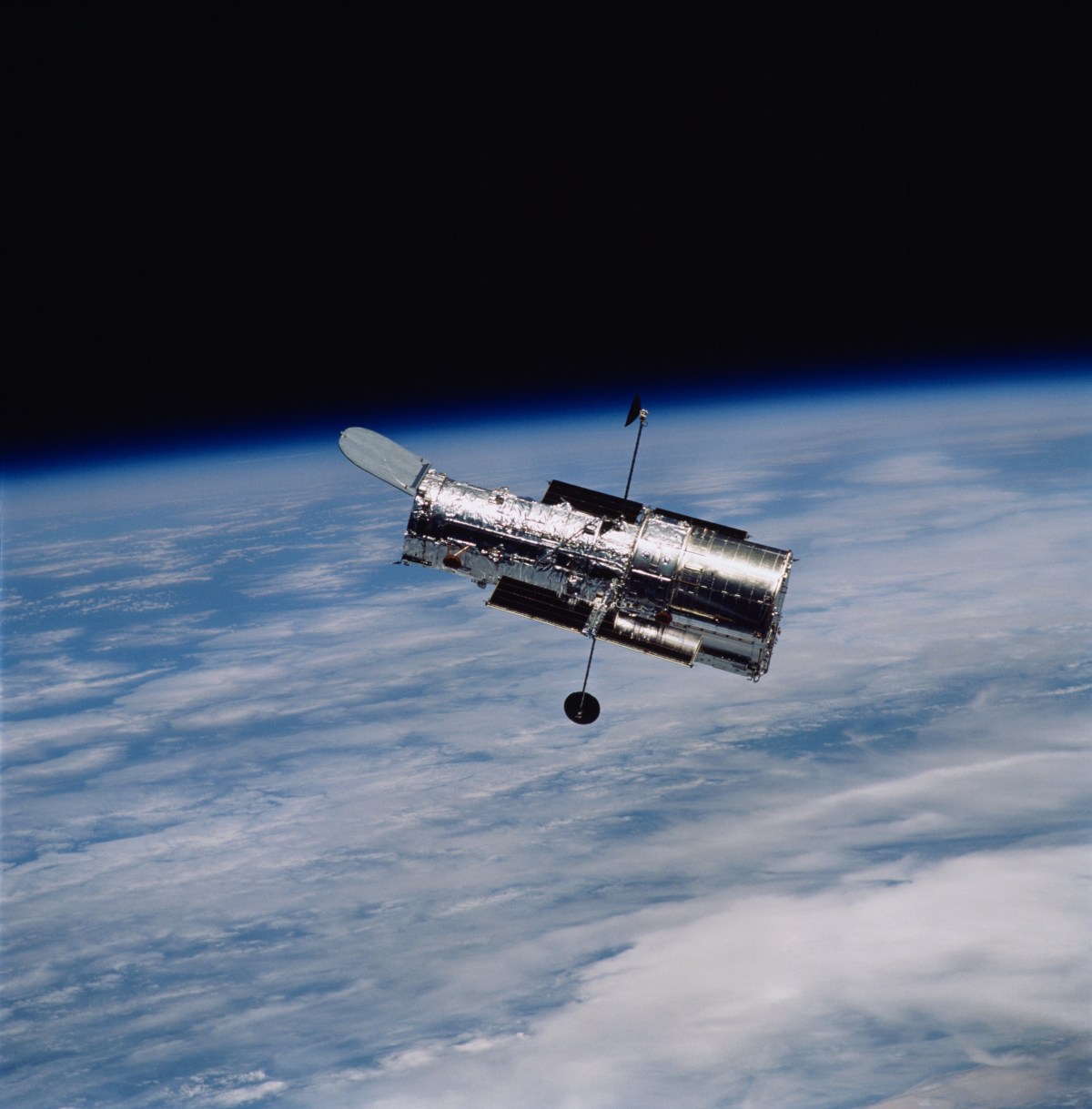
How gravitational lensing creates repeat appearances
A massive foreground cluster bends space-time and changes the routes that background light takes toward Earth.
If the paths have different lengths and cross regions with different gravitational potential, the same transient event can arrive at different times and appear as multiple images.
Why the timing matters
Measuring the delay between Athena’s appearances helps scientists constrain the cluster’s mass distribution.
That information can also contribute to independent measurements related to the expansion rate of the universe.
Why Hubble and Webb complement each other
Hubble is extremely valuable at ultraviolet and visible wavelengths, while Webb is optimized for infrared light.
Repeated observations from both telescopes give astronomers a broader wavelength range and more opportunities to monitor changing sources behind gravitational lenses.
What scientists still need to confirm
The predicted reappearance window depends on the accuracy of the lens model, so continued monitoring is essential.
A successful detection would provide a powerful test of both the model and the use of lensed supernovae as cosmological tools.
Frequently asked questions
Is this a real astronomy result?
Yes. The article is based on the official mission or agency release linked below.
Are these images AI-generated?
No. The images referenced in this article are official NASA/ESA/JPL mission imagery or agency visual material.
Why is this useful for beginners?
The article explains the observation, the physics behind it, what scientists can conclude, and what still remains uncertain.