
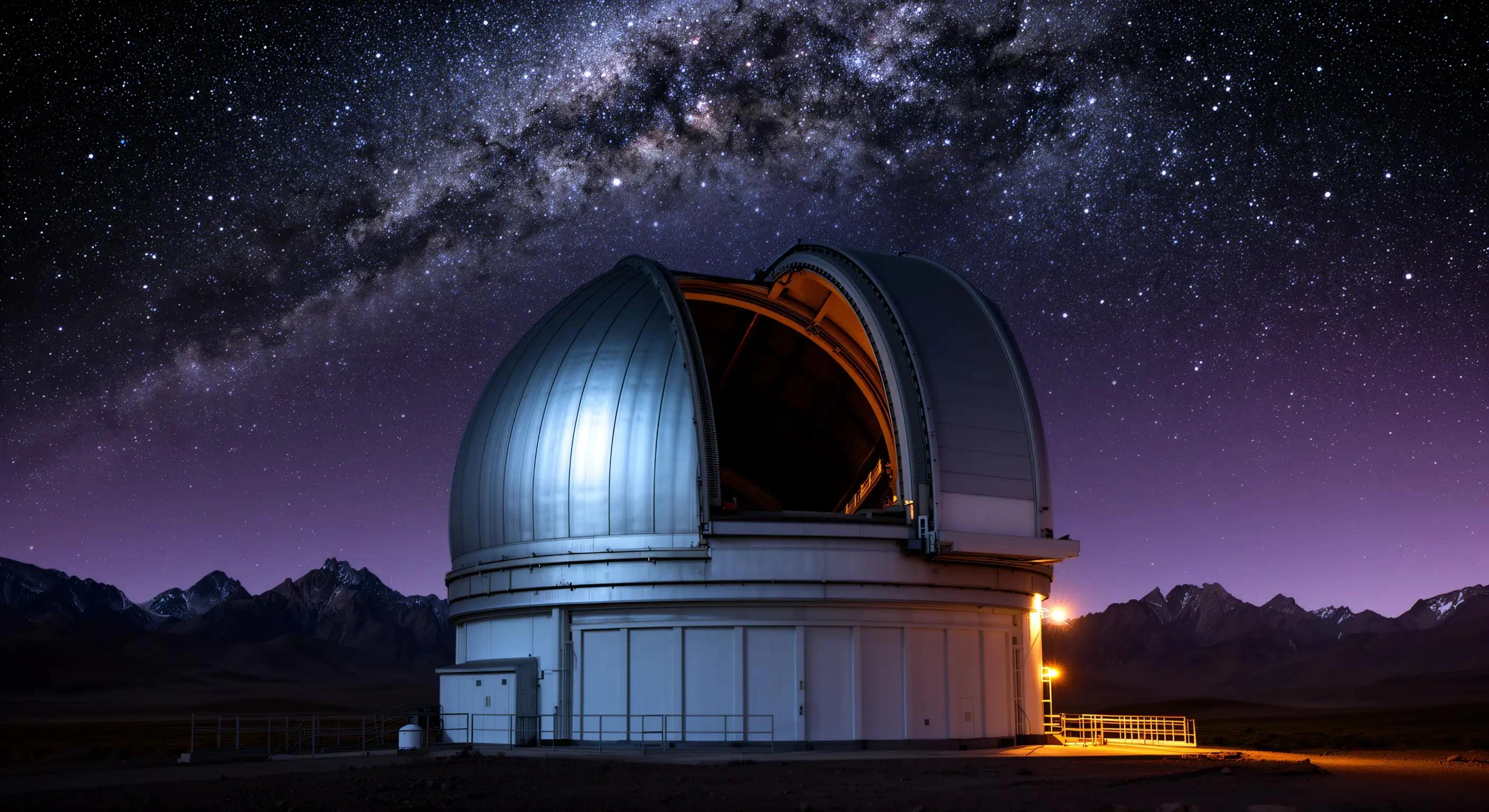
Space photography makes astronomy fascinating. Images of distant galaxies, colorful nebulae, planets, stars, and spacecraft help readers understand the universe and explore discoveries beyond Earth. For astronomy websites such as Neela Aasman, high-quality visuals can also improve the reading experience and help visitors discover relevant content through image search.
However, publishing space images requires more than uploading a beautiful photograph. Website owners should understand image usage rights, provide accurate descriptions, credit sources appropriately, and create useful articles that answer readers' questions.
This guide explains how to use NASA images responsibly, optimize astronomy images for search engines, write effective image alt text, and follow Google's people-first SEO recommendations.
Why NASA Images Are Valuable for Astronomy Websites
NASA publishes a wide range of educational and scientific media covering planets, galaxies, space missions, Earth observation, and astronomical discoveries. These resources can help astronomy enthusiasts learn about the universe through scientific imagery.
For astronomy blogs, relevant images can make complex subjects easier to understand. A photograph of Saturn, for example, can help readers visualize its rings, while a nebula image can illustrate how clouds of gas and dust appear in deep space.
Benefits of Using Space Images
Relevant astronomy images can:
Make educational articles more engaging and easier to follow.
Help readers understand scientific concepts visually.
Support articles about galaxies, planets, stars, and space exploration.
Improve accessibility when images include useful alternative text.
Create opportunities for visibility in Google Images and other visual search experiences.
Images should always support the article's subject. Adding unrelated space photographs simply to make a page look attractive does not necessarily improve its usefulness or SEO performance.
Understanding NASA Images and Usage Guidelines
One of the most important steps in publishing astronomy content is checking whether an image can legally be reused.
NASA states that its content is generally not subject to copyright in the United States and may be used for educational and informational purposes, subject to its media usage guidelines. However, not every image displayed on a NASA website is necessarily owned by NASA.
Some materials come from third parties and may have separate copyright restrictions.
Are NASA Images Copyright-Free?
Many NASA images can be reused without requesting permission, but you should check the specific image and its accompanying information before publishing it.
Pay attention to:
Copyright notices and photographer credits.
Third-party ownership or licensing restrictions.
Usage conditions for images containing identifiable people.
Restrictions concerning NASA insignia, logos, and other brand identifiers.
Whether the image's use could imply NASA endorses your website or a commercial product.
For example, an image of a distant galaxy may be suitable for an educational astronomy article, while a third-party photograph hosted on a NASA page may require separate permission.
Always consult the official NASA Images and Media Usage Guidelines when you are unsure.
Can You Use NASA Images on a Website With Advertisements?
NASA imagery may generally be used editorially in published works, subject to the applicable guidelines. However, commercial use requires care.
If your astronomy website displays advertising, do not automatically assume every image is cleared for every purpose. Check the relevant rights, especially when content includes third-party material, identifiable people, or NASA branding.
Using an image in an informational article is different from using it in an advertisement or promotional design that suggests NASA supports a product or business.
When permission is uncertain, choose an image with clearly documented reuse terms or create an original visual.
How to Credit NASA Images Correctly
Giving credit helps readers identify the source of an image and supports transparent publishing practices.
When using NASA imagery, identify NASA as the source when appropriate and follow any specific credit information supplied with the image.
What Should an Image Credit Include?
Depending on the source, a useful image credit may include:
The organization or photographer responsible for the image.
The mission, telescope, or instrument associated with it.
The original source page.
Any required copyright or licensing information.
For example, an image credit might read:
Image credit: NASA, with mission or instrument details added when provided by the official source.
Do not invent a photographer's name, mission attribution, or copyright statement. Verify these details on the original source page.
You can also link readers to the official source when it adds value to the article.
Image SEO for Astronomy Websites
Image SEO helps search engines understand the images on your pages and how those visuals relate to the surrounding content.
Google recommends using descriptive filenames, relevant surrounding text, and useful alt attributes. Image optimization should also consider page speed, image quality, and whether search engines can discover the images.
Use Descriptive Image Filenames
Before uploading an image, replace generic filenames with short, meaningful descriptions.
For example:
Generic filename:
IMG_00123.jpgBetter filename:
spiral-galaxy-deep-space.webpGeneric filename:
photo-final.pngBetter filename:
saturn-rings-planet.webp
For an article about NASA image usage and SEO, a suitable featured-image filename could be:
nasa-images-seo-guide.webp
Use filenames that accurately describe the image. Do not add keywords that have no connection to its contents.
Write Useful Image Alt Text
Alt text, short for alternative text, describes an image for visitors who cannot see it. Screen readers use this information to help communicate the visual content of a page.
Alt text also gives search engines additional context about an image.
Good alt text is specific, concise, and relevant to the image. It should describe what is actually visible rather than repeat the same keywords repeatedly.
Examples of astronomy image alt text include:
Spiral galaxy: "Colorful spiral galaxy surrounded by distant stars."
Observatory: "Astronomy observatory telescope beneath a star-filled night sky."
Earth: "Planet Earth viewed from orbit with a blue atmospheric horizon."
Nebula: "Glowing pillars of gas and dust inside a distant nebula."
These examples describe the visible subjects without forcing the phrase "NASA images SEO" into every description.
If an image is purely decorative and adds no meaningful information, its implementation may call for empty alt text rather than a lengthy description.
Avoid Keyword Stuffing in Alt Text
Alt text should help people understand an image, not serve as a list of search terms.
For example, this is poor alt text:
"NASA images, NASA photos, space images, astronomy SEO, galaxy pictures, best NASA images."
A better description is:
"Bright spiral galaxy with blue and pink arms against a dark background."
The second example describes the image naturally. Google specifically advises against stuffing alt attributes with keywords.
Create Helpful, Original Astronomy Content
Good SEO begins with useful content. Even excellent images cannot compensate for an article that contains little information, inaccurate claims, or material copied from other websites.
Google's people-first content guidance encourages publishers to create helpful, reliable information that provides value beyond simply summarizing existing pages.
Explain the Science Behind the Image
Instead of publishing a space photograph with only a short caption, explain what readers are seeing.
For a galaxy image, you might discuss its visible structure, the difference between galaxies and nebulae, and what astronomers can learn from observing distant objects.
For a planet image, explain relevant characteristics such as its atmosphere, surface, rings, or position in the solar system.
Make sure scientific explanations are accurate and supported by reliable sources. Link to original research, NASA publications, or other reputable scientific organizations when relevant.
Add Original Value to Every Article
Before publishing, ask yourself whether the article answers a real question.
Useful additions may include:
Explanations of unfamiliar astronomical terms.
Comparisons between related celestial objects.
Context about a mission or scientific discovery.
Original diagrams or clearly labeled AI-generated illustrations.
Links to reliable sources for readers who want to learn more.
Do not simply reproduce NASA descriptions or rewrite another astronomy blog paragraph by paragraph. Add explanations, organization, and context that make the article more helpful.
Optimize Article Titles, Meta Descriptions, and Headings
Clear page titles and headings help readers and search engines understand the main subject of an article.
Write a Descriptive SEO Title
An effective title should accurately represent the article and communicate its main benefit.
For this topic, a suitable title is:
"NASA Images and SEO: A Complete Guide for Astronomy Websites"
It includes the central topic and explains what readers can expect to learn.
Avoid repeating the same keyword unnecessarily or making exaggerated promises such as guaranteed first-page rankings.
Create a Useful Meta Description
A meta description briefly summarizes the page and may be used by search engines when generating a search-result snippet.
For this article, you could use:
"Learn how to use NASA images responsibly, credit astronomy sources, write descriptive image alt text, and follow Google's people-first SEO best practices."
Write a unique description that accurately summarizes the article. Remember that Google may generate a different snippet based on the search query.
Organize Content With H2 and H3 Headings
Use headings to create a logical structure.
H2 headings should introduce the article's main sections, while H3 headings should organize related points within those sections.
For example:
H2: Image SEO for Astronomy Websites
H3: Use Descriptive Image Filenames
H3: Write Useful Image Alt Text
H3: Avoid Keyword Stuffing in Alt Text
This structure makes long articles easier to scan and helps readers find the information they need.
Improve Image Quality and Page Loading Speed
Large, uncompressed images can slow down a website, especially on mobile connections. Astronomy images often contain many fine details, so it is important to balance visual quality with file size.
Choose Appropriate Image Formats
WebP is a useful format for many website images because it can provide good visual quality with relatively small file sizes.
Before uploading, consider:
Resizing the image to dimensions suitable for your website layout.
Compressing the file without making important details blurry.
Using responsive images when supported by your website.
Avoiding unnecessarily large images.
Providing meaningful filenames and appropriate alt text.
Keep the featured image clear enough to look professional on desktop and mobile screens.
Place Images Near Relevant Content
An image should appear close to the paragraph or section it illustrates.
For example, place an image of Saturn near a discussion of Saturn rather than several sections away from the relevant explanation.
This provides a better reading experience and helps establish a meaningful relationship between the image and the page's subject.
AI-Generated Astronomy Images: What Website Owners Should Know
AI-generated images can help astronomy websites create original illustrations without copying photographs from other websites. They are particularly useful for conceptual artwork, article thumbnails, and visual explanations.
However, an AI-generated illustration should not be presented as an authentic NASA photograph or a verified image captured by a space telescope.
Label AI Images Honestly
If an illustration is AI-generated, describe it appropriately in its caption or surrounding text when readers could reasonably mistake it for a real scientific photograph.
For example:
"AI-generated illustration of a spiral galaxy, created to illustrate the structure of galaxies."
This distinction matters because scientific photography and artistic illustrations serve different purposes.
Do Not Invent Scientific Details
An AI-generated image may contain inaccurate planetary surfaces, unusual star arrangements, or physically unrealistic structures.
Use such visuals as illustrations, not as evidence of an astronomical discovery.
When showing a real celestial object, use verified source material and preserve the original context and attribution.
Use Reliable Sources for Astronomy Information
Trustworthy sourcing is especially important when discussing scientific discoveries, planetary characteristics, space missions, and image rights.
Useful sources include official space agencies, scientific institutions, observatories, and peer-reviewed research where appropriate.
Recommended Astronomy and SEO Resources
NASA Images and Media Usage Guidelines
https://www.nasa.gov/nasa-brand-center/images-and-media/
Google Search Central: Creating Helpful, Reliable, People-First Content
https://developers.google.com/search/docs/fundamentals/creating-helpful-content
Google Search Central: Google Images SEO Best Practices
https://developers.google.com/search/docs/appearance/google-images
Google Search Central: SEO Starter Guide
https://developers.google.com/search/docs/fundamentals/seo-starter-guide
Use these resources to verify image rights, understand search optimization recommendations, and improve your publishing process.
Common SEO Mistakes to Avoid on Astronomy Websites
Even a well-written article can be weakened by avoidable publishing mistakes.
Publishing Images Without Checking Usage Rights
An image being available on a public website does not automatically mean it can be reused without restrictions. Check the original source and any third-party copyright notices.
Repeating Keywords Too Often
Use relevant terms naturally in the title, introduction, headings, and body where they fit. Repetition that makes writing awkward does not improve the reader's experience.
Using Misleading Image Descriptions
Do not describe an artistic illustration as a real telescope photograph. Alt text, captions, and surrounding text should accurately represent the image.
Publishing Thin or Repetitive Articles
Avoid creating many pages that repeat the same information with slightly different keywords. Each article should serve a distinct purpose and provide meaningful value.
Ignoring Mobile Performance
Oversized images and cluttered layouts can make pages difficult to use. Test articles on mobile devices and make sure images load clearly without overwhelming the content.
A Practical SEO Checklist for Astronomy Articles
Before publishing an article on Neela Aasman, review the following checklist:
Choose a clear, descriptive SEO title.
Write a unique meta description.
Use a short, readable URL slug.
Include the primary keyword naturally.
Add relevant H2 and H3 headings.
Use accurate, descriptive image filenames.
Add meaningful alt text to informative images.
Check image copyright and usage conditions.
Credit NASA or other sources where appropriate.
Label AI-generated illustrations honestly when needed.
Compress images and test page loading speed.
Link to reliable scientific and official sources.
Proofread the article for clarity and factual accuracy.
Check the page on desktop and mobile.
Ensure the article provides original value for readers.
Conclusion
NASA images and astronomy photography can make educational websites more engaging, but successful publishing requires responsible image use and useful content.
By checking image permissions, crediting sources appropriately, writing descriptive alt text, optimizing filenames, and creating accurate astronomy articles, website owners can build a stronger experience for readers and make their content easier for search engines to understand.
For Neela Aasman, the best long-term approach is to combine compelling space visuals with clear scientific explanations, reliable references, and people-first SEO practices. Focus on helping readers learn something meaningful about the universe rather than trying to rank through keyword repetition alone.
No SEO technique can guarantee a particular Google ranking or AdSense approval. Consistent quality, accuracy, accessibility, and a useful experience are better foundations for a sustainable astronomy website.