
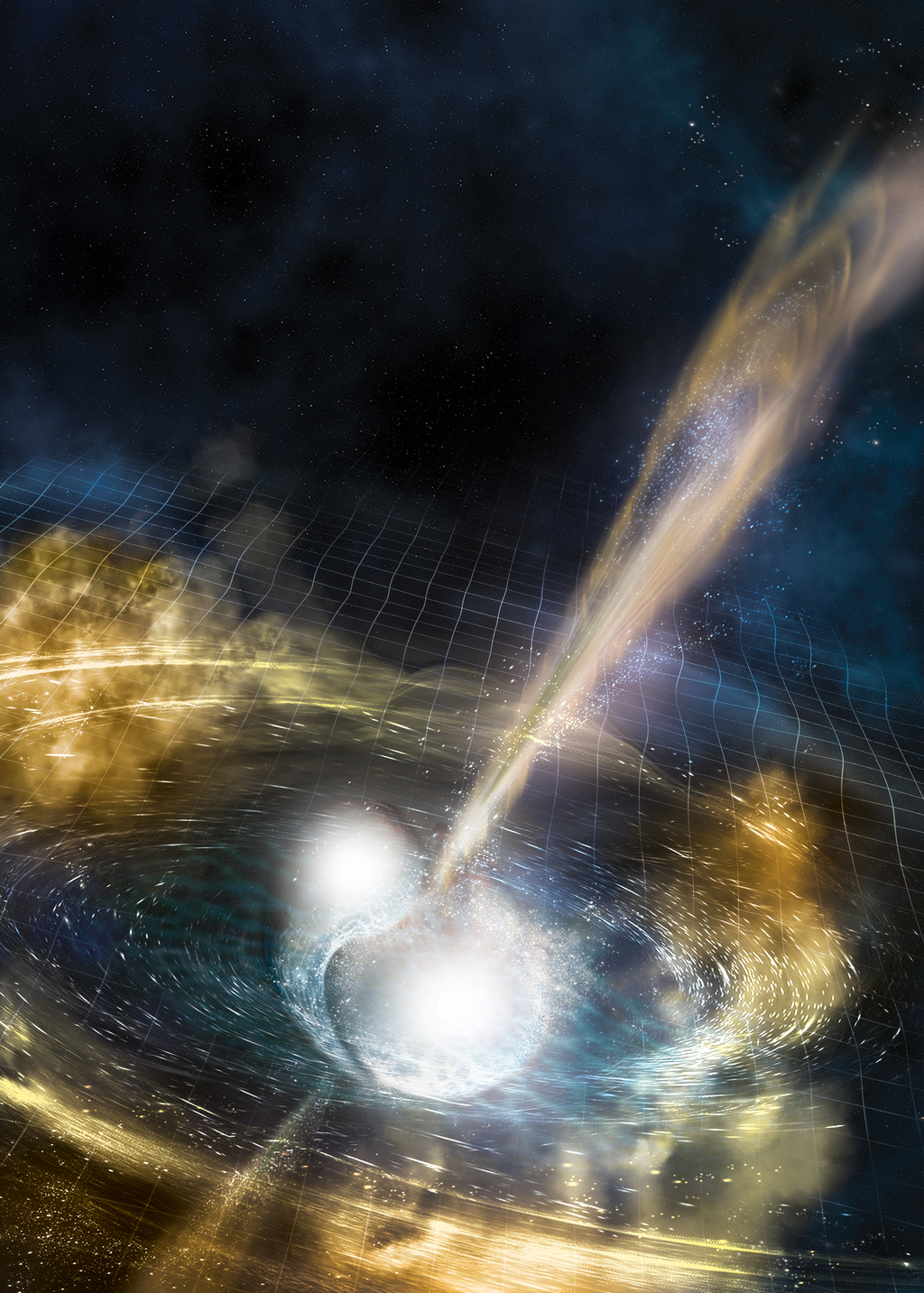
Gravitational waves are ripples in space-time produced by accelerating massive objects. Their detection opened a new way to study the universe, because astronomers can now measure cosmic events not just through light but also through gravity itself.
Einstein predicted them before we could detect them
General relativity describes gravity as the curvature of space-time. In that theory, changing gravitational fields can propagate outward as waves traveling at the speed of light.
The effect reaching Earth is incredibly small, which is why direct detection required extremely precise instruments.
How LIGO measures a tiny change
LIGO uses laser interferometers with long perpendicular arms. A passing gravitational wave changes the relative lengths of the arms by an extraordinarily small amount. The resulting change in the laser interference pattern can be measured.
Multiple detectors are essential. A real astrophysical signal should appear in different observatories with the timing and shape expected for a wave crossing Earth.
Black-hole mergers became a new kind of astronomy
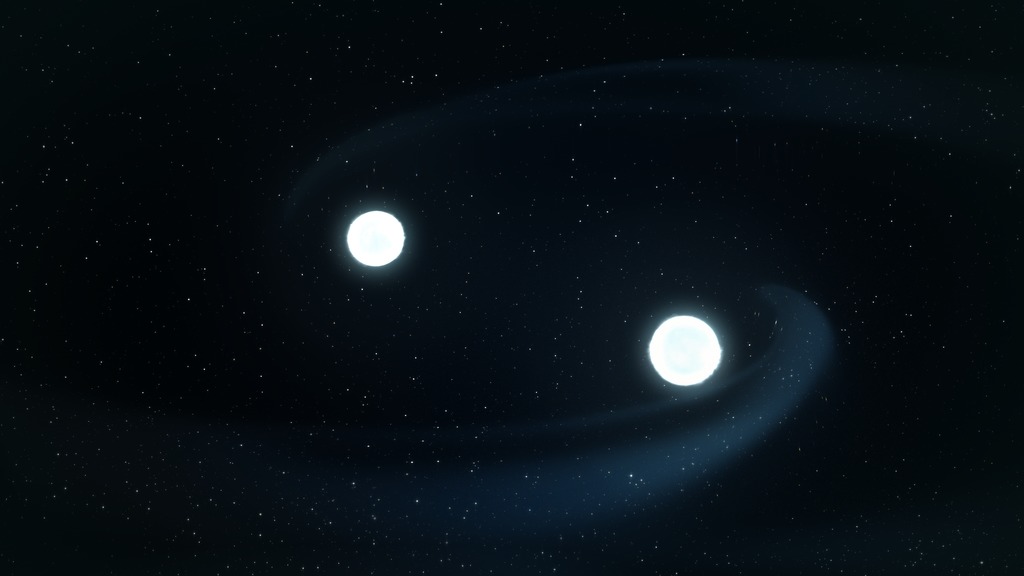
The first direct detection, announced in 2016, came from two black holes merging. The waveform carried information about the masses, spins and final black hole.
Instead of observing light from an object, gravitational-wave astronomy can study events that may be dark in ordinary telescopes.
Neutron-star mergers connect gravity with light
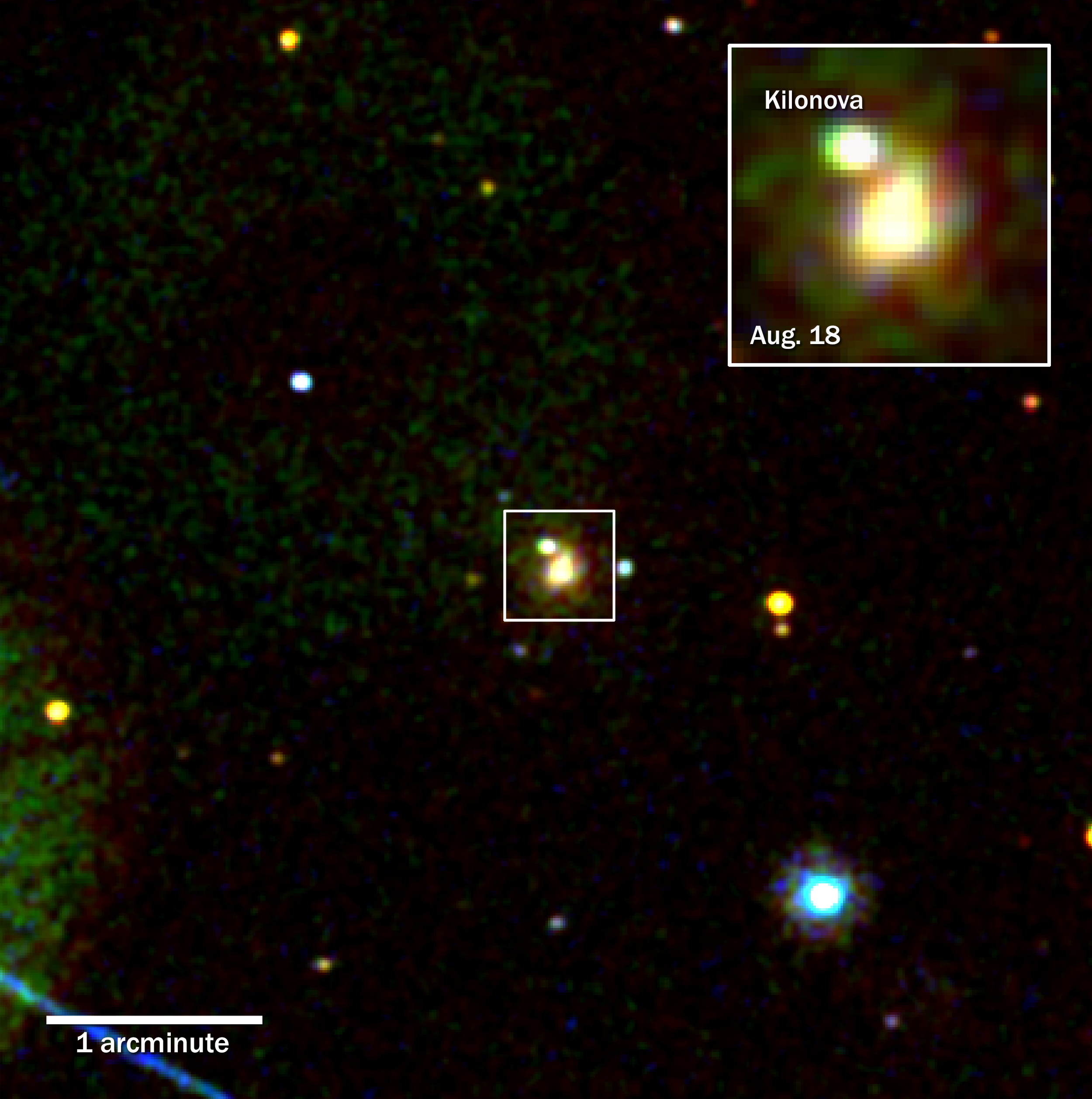
When neutron stars collide, they can produce both gravitational waves and electromagnetic radiation. Observing the same event in different ways is called multi-messenger astronomy.
These events help scientists study extremely dense matter and the origin of some heavy elements.
What comes next
Existing ground-based detectors continue to improve, while future instruments are being planned on Earth and in space. A space-based detector can target lower-frequency waves from much larger systems.
The long-term goal is a gravitational-wave view of the universe covering many frequencies, much as traditional astronomy uses radio, infrared, visible, ultraviolet, X-ray and gamma-ray light.
FAQ
What are gravitational waves?
They are ripples in space-time produced by accelerating massive objects.
Why was the first detection important?
It confirmed a major prediction of general relativity and launched a new kind of astronomy.
What is multi-messenger astronomy?
It is the study of the same cosmic event using more than one messenger, such as light and gravitational waves.